Italian apple cake bakes up with a tender, almost custardy crumb and pockets of soft apple in every slice. The top takes on a delicate golden color, then gets buried under powdered sugar for that simple, old-world look that feels as good as it tastes. It’s the kind of cake that disappears quietly at the table because everyone keeps going back for one more thin slice.
What makes this version work is the balance of oil, whipped eggs, and fruit. The oil keeps the crumb moist for days, while the beaten eggs give the cake enough lift without turning it airy or dry. The apples go in diced, not grated, so you get actual bites of fruit instead of everything melting into the batter. Lemon zest wakes up the whole cake and keeps the sweetness from feeling heavy.
Below, I’ll walk through the part that matters most: how to keep the batter light when the apples go in, why the cake should cool completely before the sugar blanket goes on, and the easy swaps that still keep the texture right.
The cake came out incredibly moist and the apple pieces stayed tender without turning mushy. I was nervous about folding in the fruit, but the batter baked up evenly and the powdered sugar on top made it feel bakery-style.
Love the soft crumb and snowy powdered sugar topping on this Italian apple cake? Save it to Pinterest for the days when you want an easy cake that still slices beautifully.
The Mistake That Makes Apple Cakes Dense Instead of Tender
The biggest trap with apple cake is overworking the batter once the flour goes in. The eggs and sugar are whipped first to build structure, but that structure disappears fast if you stir too long after adding the dry ingredients. As soon as the flour disappears, stop. The batter should look thick and a little rough before the apples go in, not silky and fully smooth.
The other place people go wrong is moisture balance. Apples release juice as they bake, which is great for tenderness, but too much extra mixing can turn that gift into a gummy center. Diced apples give you clean pockets of fruit and better control than grated apples, which can sink and collapse the crumb.
- Whipped eggs and sugar — This gives the cake its lift and helps the crumb stay light without relying on a lot of fat.
- Oil — Oil keeps the cake moist longer than butter does here. Butter adds flavor, but it also firms up more as it cools. If you swap in melted butter, expect a slightly tighter crumb.
- Diced apples — Use firm apples that hold their shape, like Honeycrisp, Granny Smith, or Pink Lady. Softer apples can break down too much and make the center wet.
- Lemon zest — This doesn’t make the cake taste lemony. It sharpens the apple flavor and keeps the sweetness from flattening out.
What Each Ingredient Is Actually Doing in This Cake
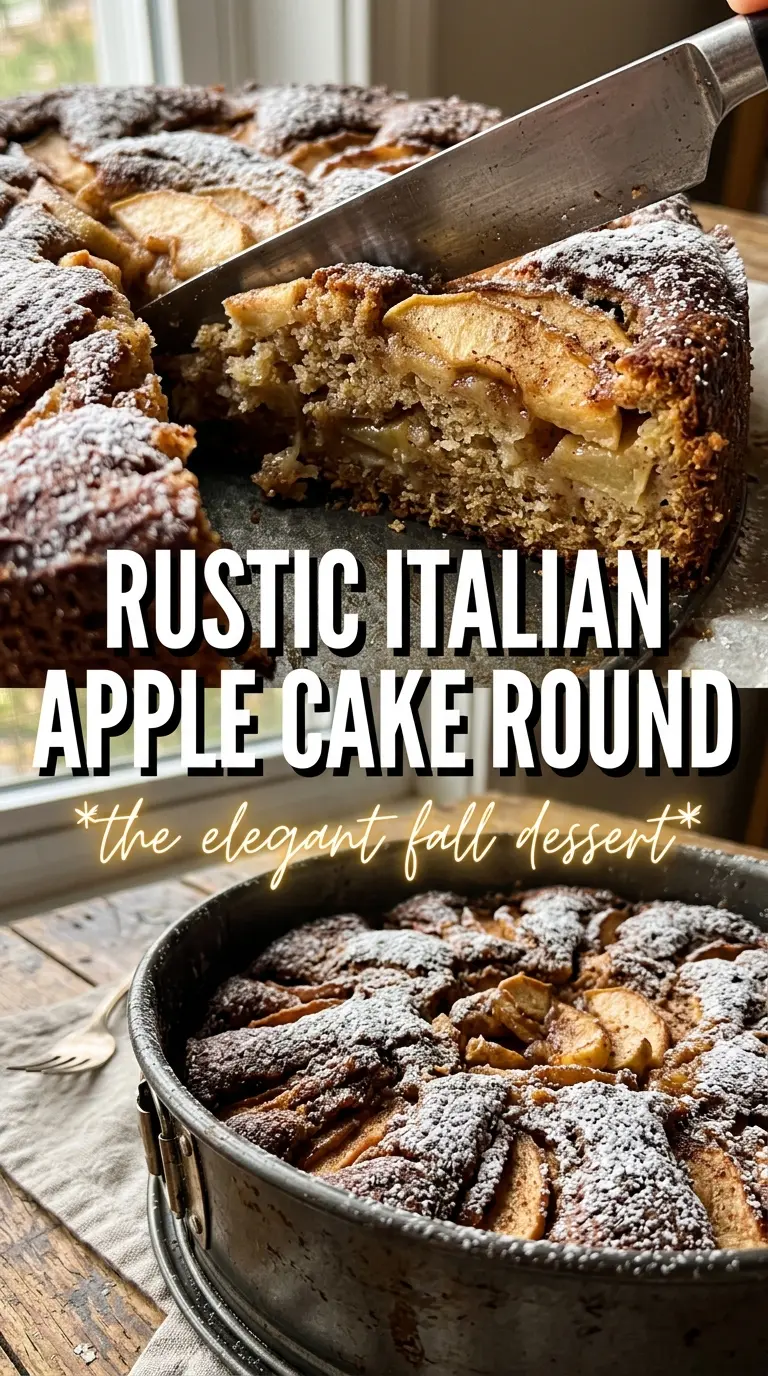
- Apples — Three large apples is the sweet spot for this size cake. Enough fruit goes into the batter to keep each slice juicy, but not so much that it turns heavy. Peel them, because the skins stay chewy after baking.
- All-purpose flour — This keeps the texture sturdy enough to hold the fruit without becoming bready. A lower-protein cake flour can make the cake too fragile for this much apple.
- Baking powder — The lift here comes from chemical leavening plus the air you beat into the eggs. If your baking powder is old, the cake will spread more and rise less.
- Whole milk — Just a small amount softens the batter and helps the sugar dissolve. You can use 2% in a pinch, but avoid anything fat-free if you want the same tender result.
- Vegetable or sunflower oil — Choose a neutral oil so the apple and vanilla stay in front. Olive oil can work if it’s very mild, but it will bring its own flavor into the cake.
Building the Batter Without Knocking the Air Out
Whipping the Eggs Until They Turn Pale
Beat the eggs and sugar until the mixture is noticeably lighter in color and thick enough to fall from the beaters in ribbons. That 3-minute whip is doing real work here; it gives the cake structure before any flour is added. If the eggs stay thin and yellow, the cake will bake up flatter and denser. Don’t rush this stage.
Streaming in the Oil Slowly
Add the oil in a thin stream while the mixer is running so it emulsifies instead of separating. If you dump it in all at once, the batter can turn greasy and lose some of the air you just built. Once the oil is in, add the milk, vanilla, and lemon zest and mix only until combined. The batter should still look glossy, not whipped.
Folding in the Flour and Apples
Switch to a spatula for the dry ingredients and the apples. Fold from the bottom of the bowl and turn the batter over itself until the flour streaks disappear. Then add the apples and fold just enough to distribute them evenly. Overmixing at this point is what turns a tender cake into a tough one.
Baking Until the Center Sets
Scrape the batter into the prepared pan and smooth the top lightly. Bake until the top is golden and a toothpick comes out clean from the center, about 40 to 45 minutes. If the edges brown too fast while the middle still looks wet, your oven runs hot; tent the pan loosely with foil for the last 10 minutes. Let the cake cool all the way before dusting it, or the sugar will disappear into the crust.
Three Smart Ways to Adjust This Apple Cake
Make It Dairy-Free
Swap the whole milk for unsweetened almond milk, oat milk, or another neutral non-dairy milk. The texture stays close to the original because the milk amount is small, but the cake will lean slightly lighter. Keep the oil as written; that’s what protects the crumb from drying out.
Use a Mix of Apples for Better Flavor
Mix one tart apple with two sweeter ones if you want more depth. Granny Smith plus Honeycrisp is a strong combination because one holds its shape and the other brings juiciness. The cake tastes more balanced this way than it does with only one apple variety.
Storage and Reheating
- Refrigerator: Store covered for up to 4 days. The crumb stays moist, though the powdered sugar topping will absorb into the cake over time.
- Freezer: Freeze the plain cake, without powdered sugar, tightly wrapped for up to 2 months. Thaw at room temperature before dusting so the top doesn’t turn wet.
- Reheating: Warm individual slices in the microwave for 10 to 15 seconds, just until barely warm. Too much heat makes the apples slump and the cake lose its soft texture.
Questions I Get Asked About This Recipe
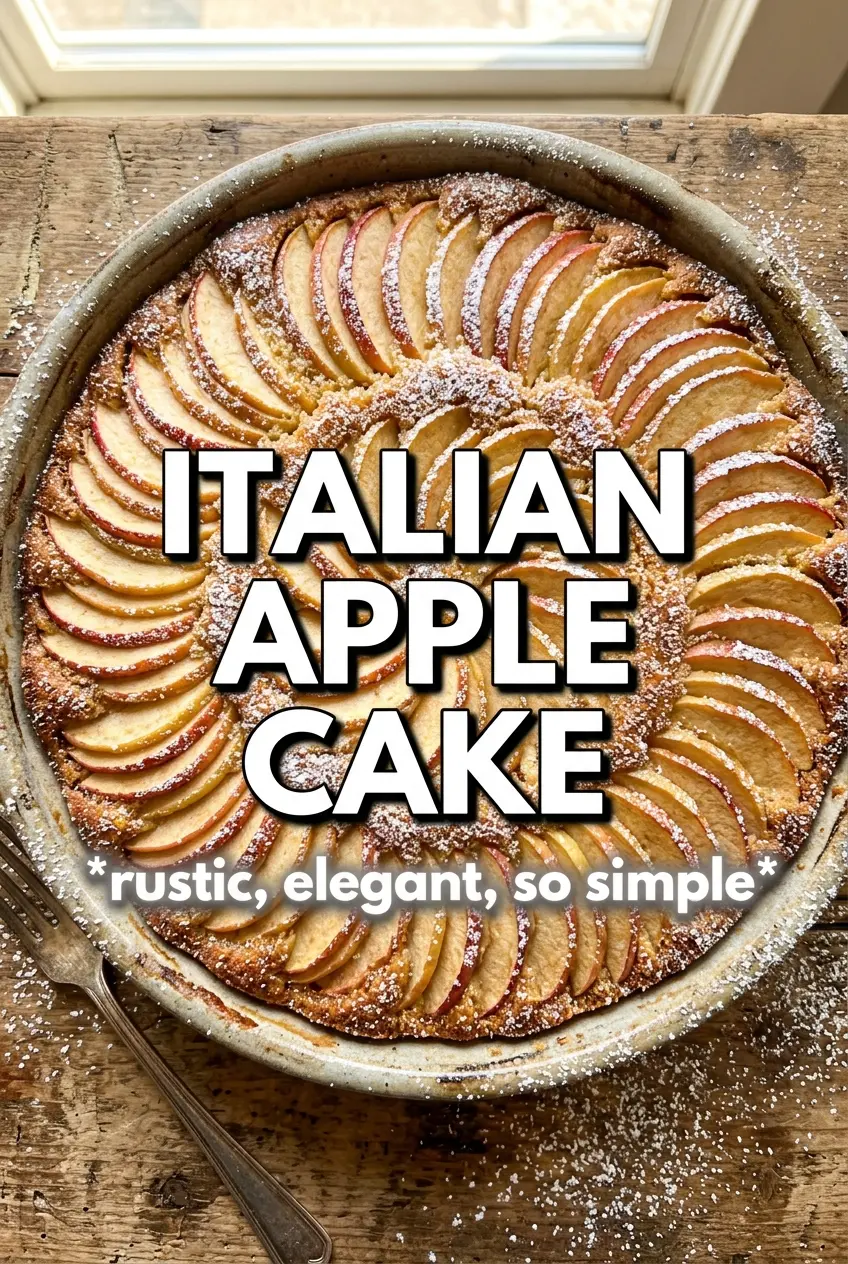
Italian Apple Cake
Ingredients
Equipment
Method
- Preheat the oven to 350°F, then grease a 9-inch round cake pan and line it with parchment. Visually ensure the parchment covers the bottom so the cake releases easily.
- Whisk the all-purpose flour, baking powder, cinnamon, and salt together in a bowl. Stop when the dry mixture looks evenly speckled.
- Beat the eggs and granulated sugar with an electric mixer until pale and thick, about 3 minutes. The mixture should look lighter in color and fall back in ribbons.
- Stream in the vegetable or sunflower oil slowly while mixing. Watch for the batter to stay smooth without any oily streaks.
- Add the whole milk, vanilla extract, and lemon zest, mixing until combined. The batter should appear glossy and uniform.
- Fold the flour mixture into the batter just until combined. Stop as soon as you don’t see dry flour to avoid a tough crumb.
- Fold in the diced apples until evenly distributed. You should see apple pieces throughout the batter.
- Pour the batter into the prepared pan, then bake 40–45 minutes at 350°F. Bake until a toothpick comes out clean and the top is golden.
- Cool the cake completely before serving. The crumb should set and slice cleanly without crumbling.
- Dust the cooled cake generously with powdered sugar. Finish with a visible, even snowy layer over the golden top.


