Caramelized Hawaiian BBQ chicken delivers the kind of sticky, smoky-sweet bite that keeps you going back for one more piece. The chicken turns lacquered on the outside, juicy in the middle, and the grilled pineapple brings a sharp, juicy contrast that keeps the glaze from tasting heavy. When the marinade hits the heat, it shifts from bright and salty to glossy and almost candy-like in the best way.
The balance here comes from using pineapple juice, soy sauce, ketchup, and brown sugar together instead of leaning too hard on any one note. Pineapple juice tenderizes and adds tang, soy brings the savory backbone, and a little sesame oil gives the glaze that round, toasted finish that reads more like a real grilled dinner than a bottled sauce dump. Let the chicken marinate long enough for the salt and sugar to do their work, then save part of the glaze so you’re brushing on clean sauce near the end, not basting with raw marinade that never had a chance to cook down.
Below, I’ve laid out the small details that keep the glaze from burning, the pineapple from turning mushy, and the chicken from drying out before the outside is properly caramelized.
The glaze thickened up beautifully on the grill and the pineapple rings got those caramelized edges without falling apart. I marinated it overnight and the chicken was super juicy with just the right sweet-savory balance.
Save this Hawaiian BBQ chicken for the nights when you want sticky grilled chicken, caramelized pineapple, and an easy tropical dinner with real smoky flavor.
The part that keeps the glaze from burning before the chicken is done
The biggest mistake with sweet BBQ-style chicken is brushing on the whole marinade too early. Pineapple juice and brown sugar darken fast, and if they sit over hard heat for the entire cook, the outside turns bitter before the thighs are fully cooked through. Keeping one-third of the mixture back gives you a clean glazing sauce that can caramelize in the last few minutes instead of scorching from the start.
Bone-in thighs are the right call here because they stay juicy through direct grilling and handle the sticky glaze better than breasts. They also have enough fat to stand up to the salty-sweet marinade, which means you get flavor all the way through instead of just on the surface. If your grill runs hot, move the chicken to a cooler spot after the first sear and finish it there; the glaze still thickens, but it won’t turn black.
What each ingredient is doing in this pineapple-soy glaze
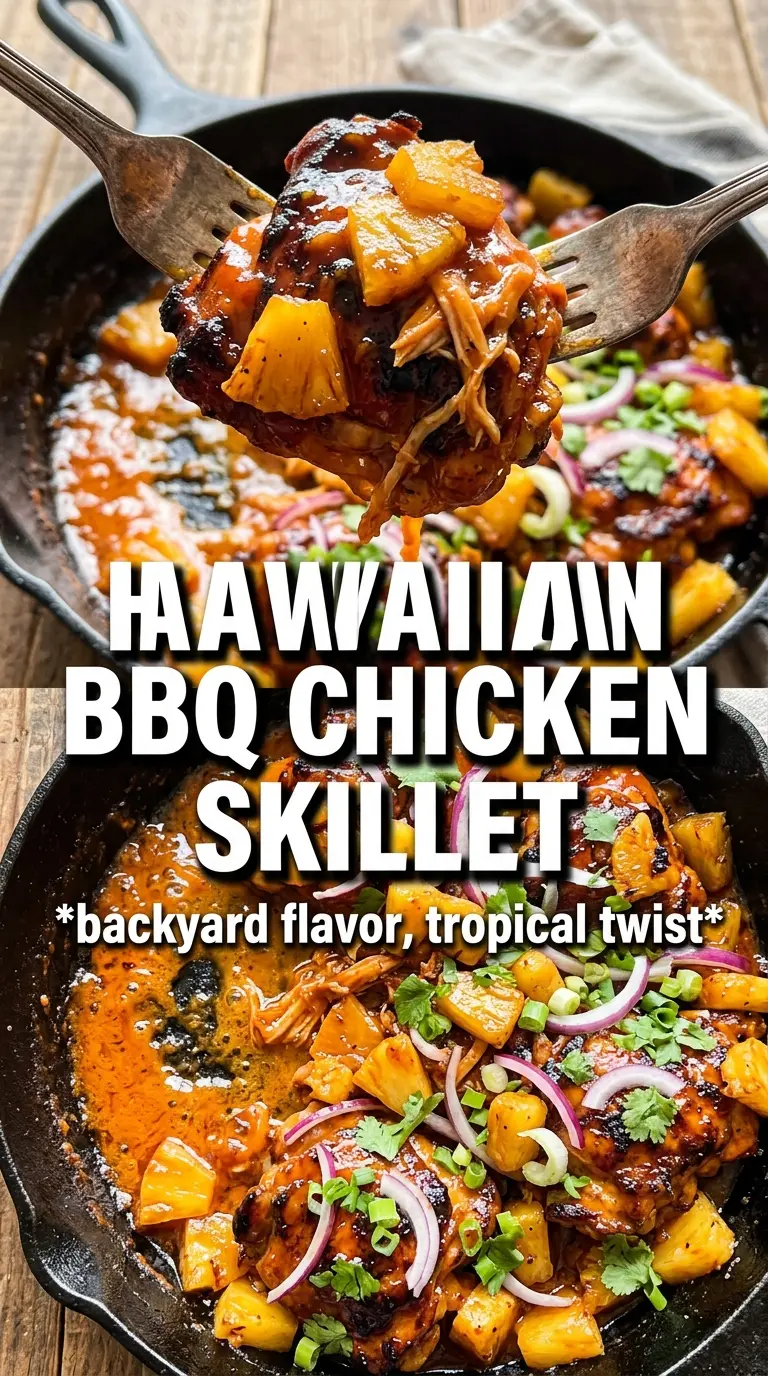
- Chicken thighs — Bone-in thighs give you the best margin for error on the grill. They stay moist longer than boneless cuts and hold up to repeated basting without drying out.
- Pineapple juice — This brings tang, sweetness, and a little natural tenderness. Fresh or canned both work; just use 100% juice, not pineapple drink, or the glaze gets watery and flat.
- Soy sauce — This is the savory backbone and the salt source. Low-sodium soy is a good choice if you want more control, but regular soy gives a deeper, punchier finish.
- Sesame oil — A small amount goes a long way. It adds that toasted, nutty note that makes the glaze taste complete instead of just sweet.
- Garlic and ginger — These are what keep the sauce from reading like straight-up candy. Fresh is worth it here because the marinade is short and the flavor needs to be immediate.
- Pineapple rings — They’re not just garnish; they echo the glaze and add a juicy, grilled side element. If you only have canned rings, pat them dry so they caramelize instead of steaming.
Grilling the chicken until the glaze turns sticky, not burnt
Building the marinade
Whisk the pineapple juice, soy sauce, ketchup, brown sugar, sesame oil, garlic, and ginger until the sugar dissolves and the mixture looks glossy. Reserve one-third before the chicken goes in so you have a clean glaze for basting later. If you skip that step and use the same bowl for brushing, you’re working with raw marinade that never got the chance to reduce properly.
Marinating for flavor, not mush
Coat the chicken and let it sit at least an hour, or overnight if you want the flavor to reach deeper into the meat. The acid in the pineapple juice helps, but too long in a very aggressive marinade can soften the outside of the chicken more than you want, especially if the pieces are small. For best texture, keep the thighs in the fridge while they marinate and let the excess drip off before they hit the grill.
Getting the char without drying out the thighs
Grill over medium-high heat for 8 to 10 minutes per side, turning once the chicken releases from the grates and has good color on the first side. The glaze should go on during the last 6 minutes so it has time to caramelize without burning into a hard shell. If the chicken is browning too fast, lower the heat or move it to indirect heat; the thighs need steady cooking more than a fierce flame.
Finishing with the pineapple
Grill the pineapple rings for 2 to 3 minutes per side until they pick up dark grill marks and the edges look slightly lacquered. They should still hold their shape and stay juicy in the center. Serve them right away while the sugars are hot and fragrant, because they lose that grilled edge quickly once they sit.
How to change this Hawaiian BBQ chicken without losing the balance
Gluten-free version
Swap in tamari for the soy sauce and check that your ketchup is gluten-free. The flavor stays bold and salty-sweet, but tamari tends to taste a little rounder, so the glaze may feel slightly smoother and less sharp.
Boneless chicken thighs
Boneless thighs work well if you want faster cooking and easier serving. They’ll cook a few minutes sooner and won’t need as much patience on the grill, but they can overcook faster, so pull them as soon as the center is done and the glaze is set.
No grill, just a skillet or grill pan
A heavy skillet gives you the caramelized edges this recipe needs. Cook the thighs over medium-high heat and finish with the reserved glaze once the pan is hot and the chicken has color; if the glaze starts to smoke, lower the heat and let it thicken a little more slowly.
Lower-sugar version
Cut the brown sugar back by a tablespoon if you want a less sticky glaze. You’ll lose some of the shiny coating and a bit of caramel depth, so lean harder on the grilled pineapple and garnish to keep the dish bright and balanced.
Storage and Reheating
- Refrigerator: Store leftovers in an airtight container for up to 4 days. The glaze will tighten up as it chills, but the flavor deepens overnight.
- Freezer: The cooked chicken freezes well for up to 2 months. Freeze it with a little extra sauce if you can, since that helps protect the meat from drying out.
- Reheating: Reheat gently in a covered skillet over low heat or in a 325°F oven until warmed through. High heat will make the sugars in the glaze bitter and can dry out the thighs before the center is hot.
Questions I Get Asked About This Recipe
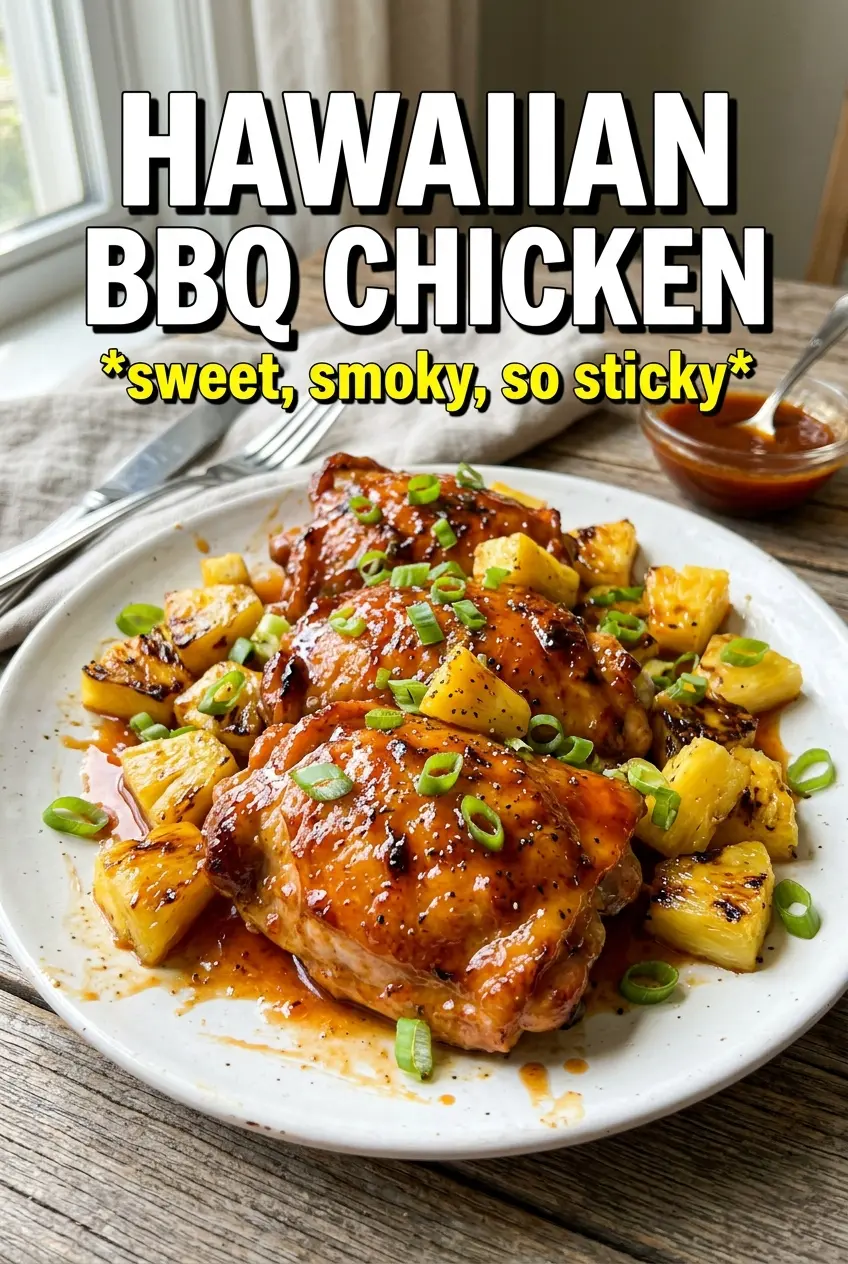
Hawaiian BBQ Chicken
Ingredients
Equipment
Method
- Whisk pineapple juice, soy sauce, ketchup, brown sugar, sesame oil, garlic, and ginger in a bowl until the sugar dissolves and the mixture looks glossy. Reserve 1/3 of the glaze for basting later.
- Add the chicken thighs to the remaining glaze, turning to coat all sides, then cover and refrigerate to marinate. Let marinate for at least 1 hour or up to overnight for deeper flavor.
- Preheat a grill over medium-high heat. Grill the marinated chicken thighs 8-10 minutes per side, basting with the reserved glaze during the last 6 minutes.
- Place pineapple rings on the grill and cook 2-3 minutes per side until caramelized and lightly charred. Move them to a platter as they finish.
- Serve the grilled chicken with the caramelized grilled pineapple rings on the side, then top with green onions and sesame seeds.


