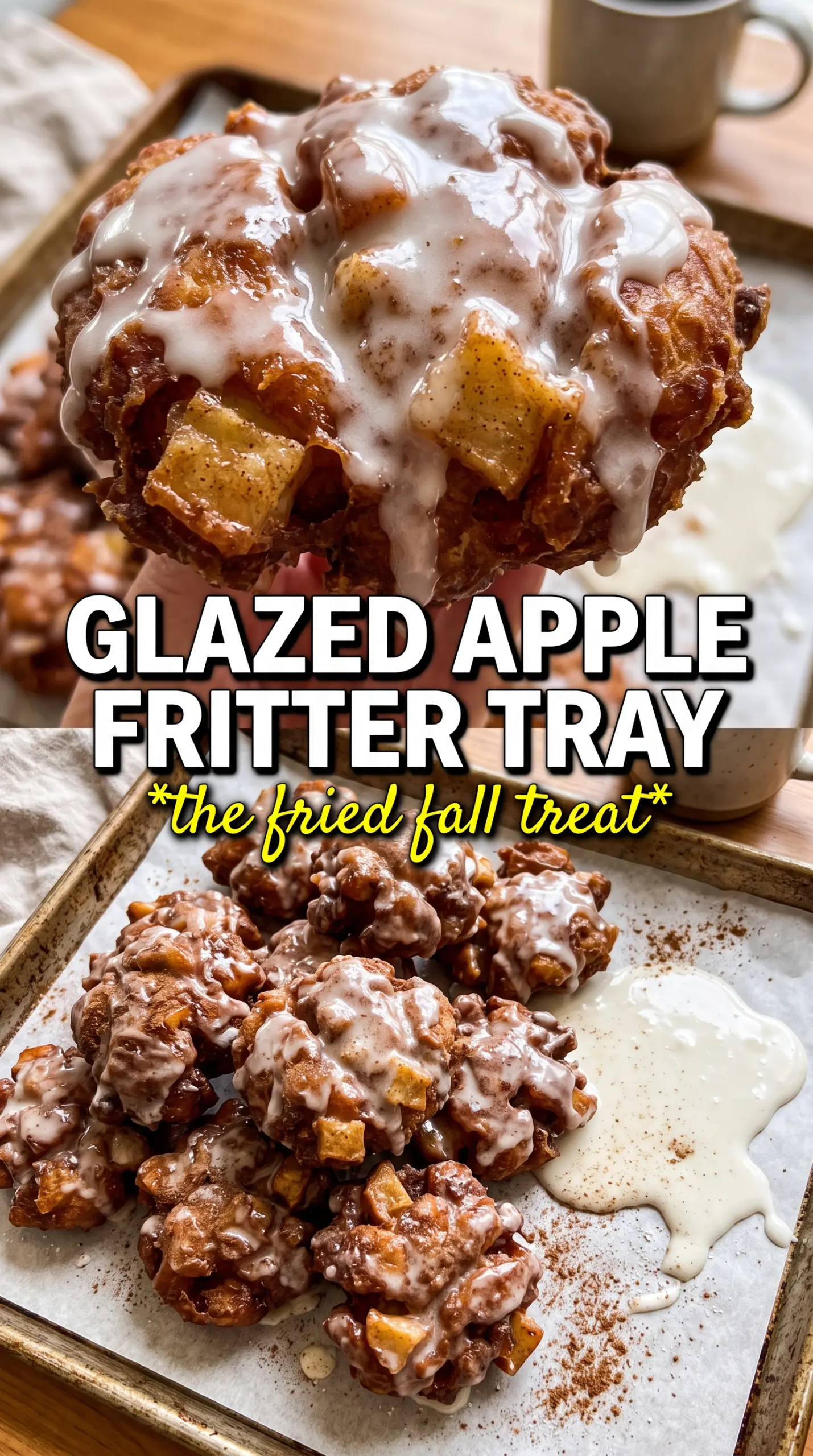
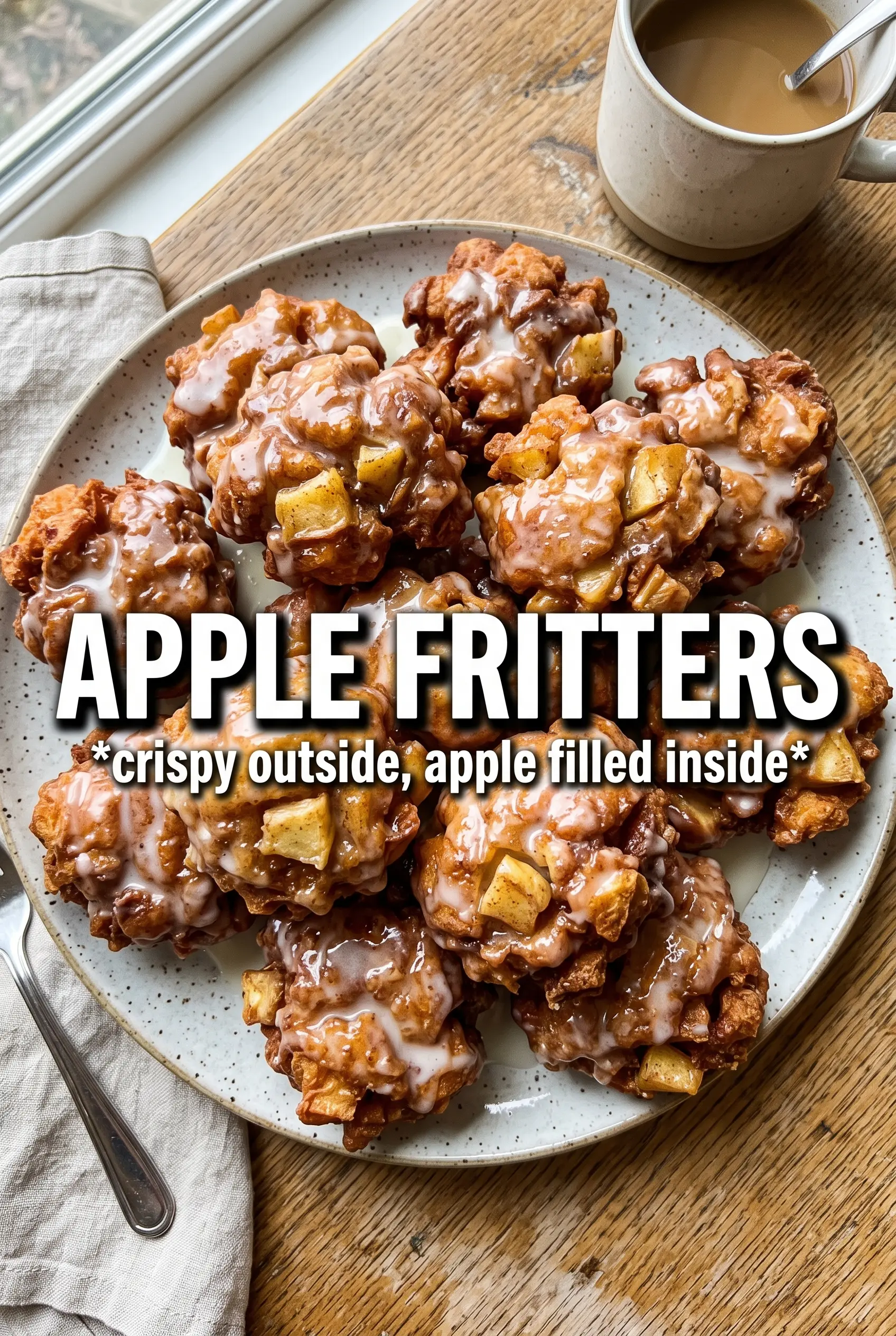
Apple fritters hit that sweet spot between tender cake and crisp edges, with pockets of soft apple running through each rough-edged, golden piece. The best ones are light inside, not doughy, and they hold just enough glaze to give every bite a thin sweet shell without turning soggy.
What makes this version work is the balance in the batter. The apples are folded in at the very end so they stay distributed instead of sinking, and the batter stays thick enough to puff around them in the oil. That means you get craggy fritters with real apple pieces in every bite instead of flat, greasy rounds.
Below, I’ll show you the little things that matter most here: how thick the batter should look, why the oil temperature makes or breaks the texture, and how to glaze them so they stay crisp at the edges while still tasting like a proper bakery-style fritter.
The batter was thick enough to hold the apple pieces, and the fritters fried up with those crisp, craggy edges instead of spreading out. The glaze set beautifully while they were still warm.
Save these apple fritters for the next time you want crisp edges, soft apple pieces, and a thick vanilla glaze that sets on warm fritters.
The Reason Most Fritters Turn Greasy Before They Turn Golden
The mistake with apple fritters usually starts before they ever hit the oil. A thin batter spreads too fast, so the apples leak moisture into the pan and the fritters absorb oil instead of setting up into a crisp shell. This version stays thick enough to hold its shape, which gives the outside time to brown before the inside overcooks.
The other thing that matters is temperature. At 375°F, the fritters puff and color in the same window, and the center has time to cook through without the crust getting dark too fast. If the oil is too cool, they’ll soak up oil and taste heavy. If it’s too hot, the outside will rush ahead and the middle will stay pale and gummy.
- Thick batter — That texture is what keeps the fritters craggy and helps the apples stay suspended instead of dropping to the bottom.
- Finely diced apples — Small pieces cook through quickly and give you apple in every bite without shredding the batter apart.
- Oil at 375°F — This is the difference between a light, crisp fritter and one that tastes fried for the wrong reason.
What Each Ingredient Is Actually Doing in These Fritters
- All-purpose flour — Gives the fritters enough structure to fry cleanly. Cake flour makes them softer, but it can be a little too delicate for this batter.
- Baking powder — This is what lifts the fritters and keeps them from eating like dense dough pockets. Don’t reduce it or the texture gets heavy.
- Cinnamon and nutmeg — They warm up the apples without taking over. Fresh nutmeg matters if you have it, but pre-ground works fine here.
- Whole milk — The fat helps the batter stay tender. You can use 2% in a pinch, but the fritters won’t be as rich.
- Melted butter — Adds flavor and a little tenderness. Let it cool slightly before whisking it in so it doesn’t scramble the eggs.
- Apples — Peel them, then dice them small and even. Larger chunks can make the fritters split open in the oil.
- Powdered sugar glaze — This is a thin glaze, not frosting. It should drizzle smoothly and settle into a shiny coat over the warm fritters.
Getting the Batter, Oil, and Glaze in the Right Order
Mix the Dry Ingredients First
Whisk the flour, sugar, baking powder, cinnamon, nutmeg, and salt together until they look evenly combined. That step keeps the leavener and spices from clumping in one fritter and not another. The dry mix should look light and aerated, not packed down in the bowl.
Fold in the Wet Ingredients Just Until Combined
Whisk the eggs, milk, melted butter, and vanilla in a separate bowl, then add them to the dry ingredients and stir only until no dry flour streaks remain. Overmixing makes the fritters tough and can turn the batter elastic, which works against the light, open texture you want. A few small lumps are fine.
Add the Apples Last
Fold the diced apples in after the batter comes together. The batter will look thick, and that’s exactly right; it should cling to the fruit instead of running off it. If the batter looks pourable, the fritters will spread too much and lose that rough, bakery-style shape.
Fry in Hot Oil, Then Glaze While Warm
Use enough oil for the fritters to float comfortably, and keep the temperature steady at 375°F. Drop in 1/4-cup portions and gently flatten them just a little so the centers cook through at the same pace as the edges. Drain them on paper towels for a minute or two, then glaze while they’re still warm so the icing thins slightly and sets with a glossy finish.
Three Ways to Work With What You Have
Make Them Dairy-Free
Use an unsweetened non-dairy milk and swap the butter for melted coconut oil or a neutral vegan butter. The fritters will still fry up tender, though the flavor will be a little less rich and the glaze may need an extra teaspoon of milk to reach a drizzly consistency.
Use a Different Apple Without Losing Texture
Granny Smith gives the sharpest contrast, but Honeycrisp or Fuji work well if you want a sweeter fritter. Softer apples can still work, but dice them a little larger so they don’t disappear completely as they fry.
Glaze Them Less or More
For a lighter finish, drizzle the glaze over the fritters instead of dipping them. For a thicker bakery-style coating, spoon it on while the fritters are still warm and let the excess run down the sides. The warmer the fritters, the more the glaze settles into a thin shell.
Make Them Gluten-Free
A 1:1 gluten-free flour blend with xanthan gum is the best swap here. The fritters won’t brown quite the same way, and the batter may need a minute to hydrate before frying, but you’ll still get good structure and a tender center.
Storage and Reheating
- Refrigerator: Store in an airtight container for 2 days. The glaze softens the crust, so the fritters won’t stay crisp.
- Freezer: Freeze unglazed fritters for up to 2 months. Wrap them well and thaw at room temperature before reheating.
- Reheating: Warm in a 325°F oven for 8 to 10 minutes. Skip the microwave if you want to keep the edges from turning rubbery.
Questions I Get Asked About This Recipe
Apple Fritters
Ingredients
Equipment
Method
- Whisk all-purpose flour, granulated sugar, baking powder, cinnamon, nutmeg, and salt together until evenly combined and no dry streaks remain.
- In a separate bowl whisk eggs, whole milk, melted butter, and vanilla extract until smooth.
- Pour the wet mixture into the dry ingredients and fold just until combined, stopping when no flour pockets are visible.
- Fold in diced apples; the batter should look thick and studded with fruit pieces.
- Heat 2-3 inches of vegetable oil to 375F in a heavy pot or Dutch oven, watching for steady bubbling around a test drop.
- Drop 1/4 cup portions into the hot oil and gently flatten slightly so the fritters fry evenly.
- Fry 2-3 minutes per side until deeply golden, with crisp-looking edges, then transfer to paper towels to drain.
- Whisk powdered sugar, milk, and vanilla until smooth, then drizzle generously over the still-warm fritters.


