Apple fritter cake bakes up with the same cozy pull as a bakery-style fritter, but without the frying, the mess, or the race to eat it while it’s hot. The crumb stays soft and buttery, the apples turn tender and cinnamon-scented, and the swirls on top bake into little pockets of caramelized sugar that make each slice taste finished, not plain.
What makes this version work is the layering. Tossing the apples with brown sugar, cinnamon, and nutmeg before they go into the batter gives you that fritter-style filling instead of just scattered fruit, and alternating the dry ingredients with the milk keeps the cake tender instead of dense. The glaze goes on after a short cool-down so it sits on top instead of disappearing into the crumb.
Below you’ll find the small details that matter most, including how to keep the apples from sinking and how to get that pretty swirl without overmixing the batter.
The apples stayed tender but didn’t turn mushy, and the cinnamon layer baked into these little pockets that tasted just like a fritter. The glaze set up beautifully after 15 minutes of cooling.
Save this apple fritter cake for the days when you want tender apples, a cinnamon swirl, and that thick powdered sugar glaze in one easy pan dessert.
The Trick to Keeping the Apple Layer from Turning Soggy
The biggest mistake with apple fritter cake is treating the fruit like an afterthought. If the apples go in plain, they leak moisture into the batter and you end up with a soft center that never quite bakes up the way it should. Tossing them with brown sugar and spices first helps them taste fuller, but it also starts drawing out just enough juice to caramelize in the oven instead of pooling in the pan.
The other place this cake goes sideways is overmixing once the flour hits the bowl. You want a batter that looks smooth and thick, but not whipped. Overmixing builds a tighter crumb, and with all those apple pockets on top, a stiff batter can bake unevenly.
What the Butter, Apples, and Glaze Are Each Doing Here
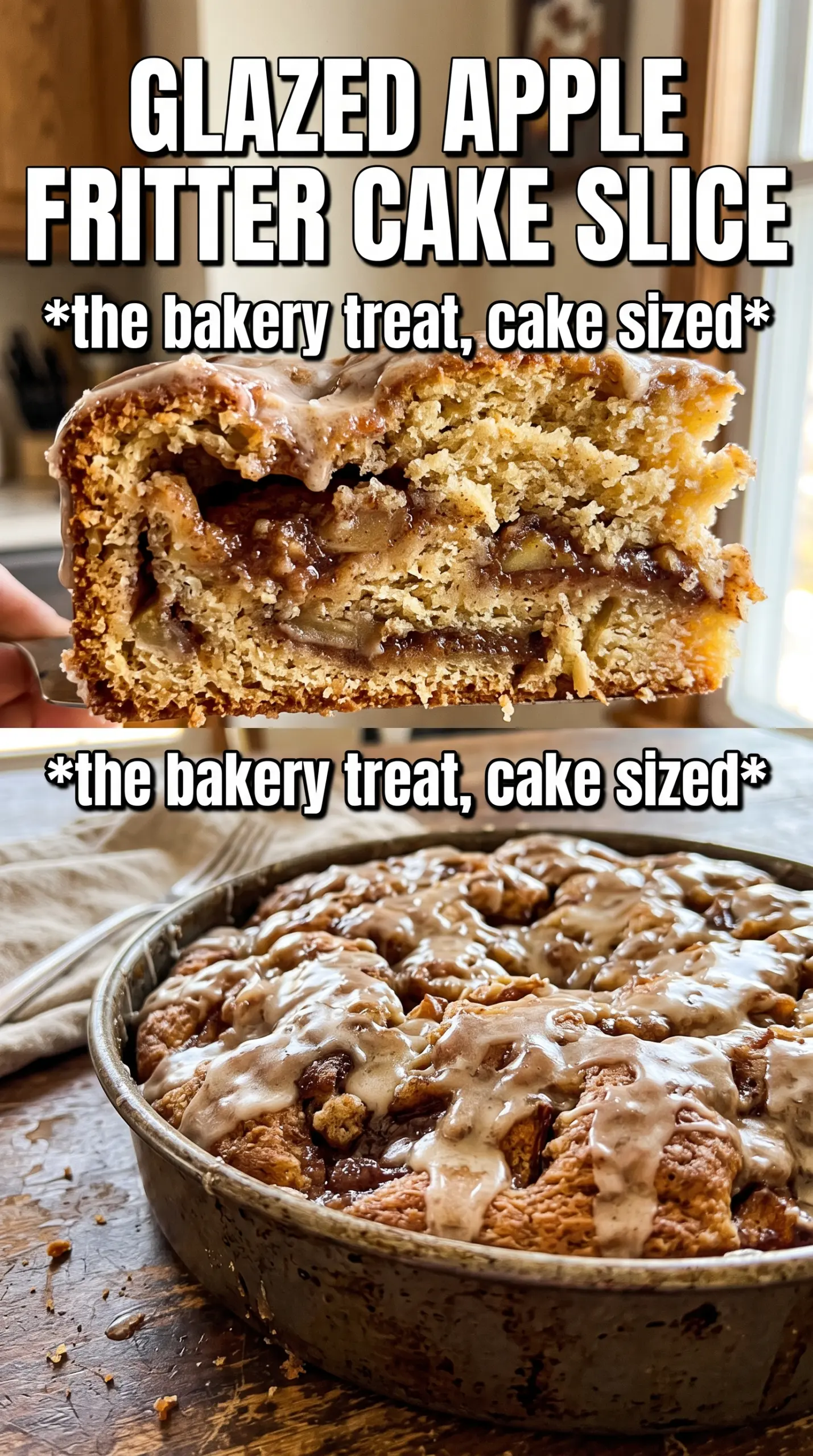
- Apples — Use a firm baking apple if you can. Granny Smith gives you the most contrast against the sweet glaze, while Honeycrisp or Braeburn stay a little sweeter and softer. Very soft apples turn to mush before the cake finishes baking.
- Brown sugar — This belongs in the apple layer, not just the batter. It melts with the cinnamon and nutmeg and creates that sticky, fritter-like topping as the cake bakes.
- Whole milk — The fat in whole milk keeps the crumb tender and gives the batter enough richness to handle the fruit. Lower-fat milk works in a pinch, but the cake won’t taste as plush.
- Butter — Softened butter creams with the sugar and traps air, which gives the cake lift. If the butter is cold, the batter won’t fluff properly and the finished cake will eat heavier.
- Powdered sugar glaze — This is thin enough to drizzle but thick enough to sit on top in those white streaks. Add the milk slowly so you don’t end up with a glaze that runs straight off the cake.
Building the Swirl Without Stirring It Away
Mix the Batter Until It Just Comes Together
Cream the butter and sugar until the mixture looks pale and fluffy, then beat in the eggs and vanilla. When the dry ingredients and milk go in, alternate them in small additions so the batter stays smooth. Stop as soon as the flour disappears; if you keep beating, the cake will bake up tighter than it should.
Layer the Apples in Two Passes
Spread half the batter in the pan and scatter half the apple mixture over it. Add the remaining batter in spoonfuls and nudge it toward the edges, then finish with the rest of the apples. This keeps the fruit distributed through the cake instead of sinking to the bottom in one heavy layer.
Swirl Lightly, Then Leave It Alone
Use a knife to make a few lazy figure-eight motions through the top layer. The goal is streaks of cinnamon apple, not a fully blended batter. If you over-swirl, the layers blur together and the top loses the marbled look that makes this cake look like a baked fritter.
Bake Until the Center Springs Back
Bake at 350F until the top is golden and a toothpick comes out clean or with just a few moist crumbs. If the apples are especially juicy, check the center rather than trusting the edges, because the edges will brown first. Let it cool for 15 minutes before glazing so the sugar settles into a soft finish instead of sliding off.
How to Adapt This for Different Pans and Different Diets
Make it gluten-free with a 1:1 baking blend
A good 1:1 gluten-free flour blend works here because the cake doesn’t rely on heavy structure. Use one that already contains xanthan gum, and stir the batter only until combined so the texture stays tender instead of gummy.
Swap the dairy without losing the soft crumb
You can use plant-based butter and an unsweetened milk alternative if you need a dairy-free cake. The flavor will be a little less rich, but the structure stays close as long as the butter substitute is the stick-style kind meant for baking.
Turn it into a breakfast-style coffee cake
Skip the glaze or use only half of it if you want something less sweet. The cake still tastes complete because the cinnamon apples carry enough flavor on their own, and the finish becomes more like a bakery coffee cake than a dessert.
Bake it in a smaller square pan for thicker slices
An 8×8 or 9×9 pan gives you a thicker cake with more of that soft center, but you’ll need to extend the bake time and watch the middle closely. The top should be deep golden before you pull it, and the center should no longer jiggle when you tap the pan.
Storage and Reheating
- Refrigerator: Store covered for up to 4 days. The glaze will soak in a little, but the cake stays moist.
- Freezer: Freeze unfrosted slices tightly wrapped for up to 2 months. Thaw at room temperature, then glaze after warming if you want the best texture.
- Reheating: Warm individual slices in the microwave for 15 to 20 seconds. If you heat it too long, the apples toughen and the crumb dries out before the glaze can soften again.
Questions I Get Asked About This Recipe
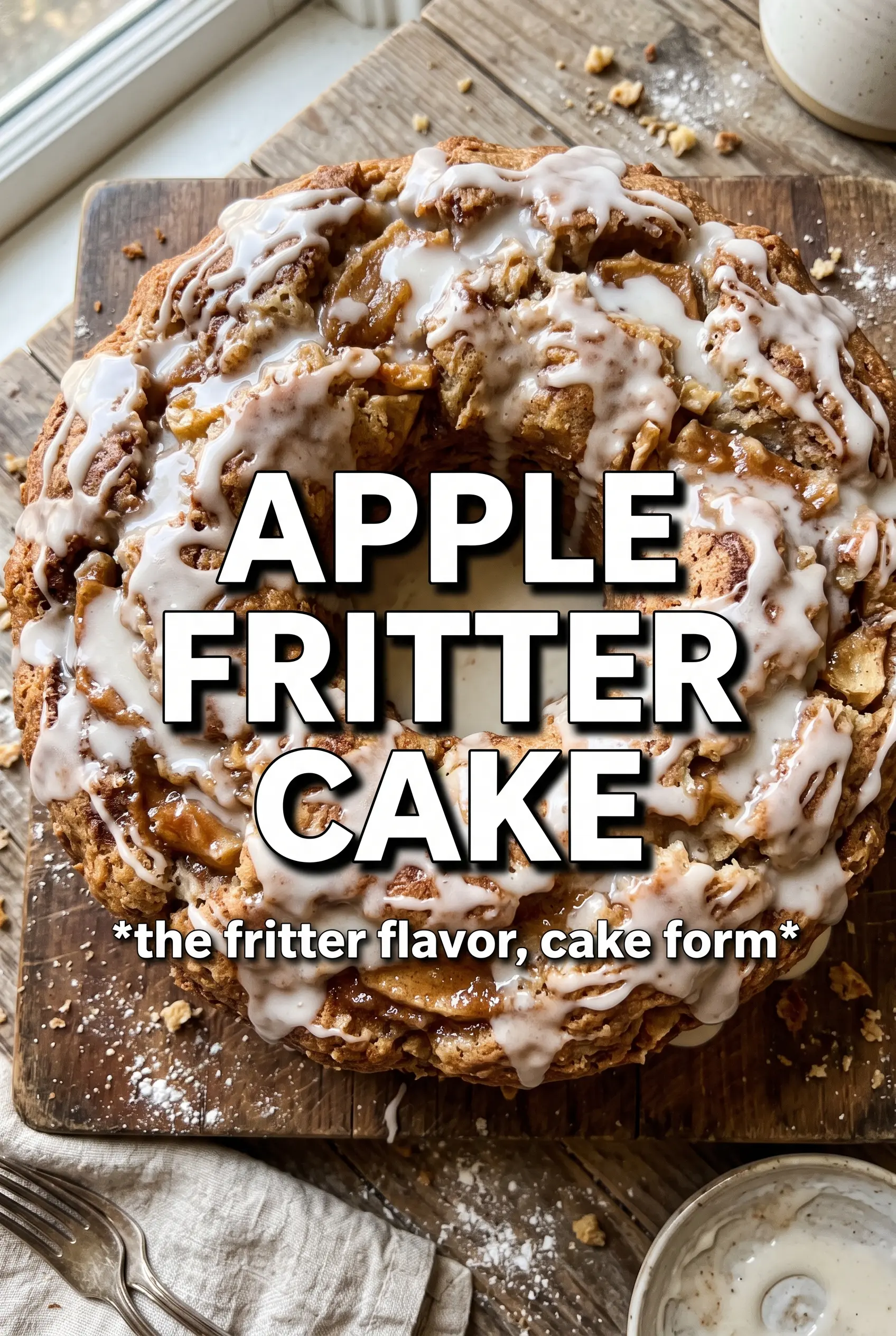
Apple Fritter Cake
Ingredients
Equipment
Method
- Preheat oven to 350F, then grease a 9x13 baking dish so the cake releases cleanly.
- Toss diced apples with brown sugar, cinnamon, and nutmeg, then set aside while you mix the batter.
- Beat softened butter and granulated sugar until fluffy, about 2 minutes, to build a light crumb.
- Add eggs and vanilla extract, then beat until smooth and fully combined.
- Whisk flour, baking powder, and salt in a separate bowl, then alternate adding dry ingredients and whole milk to the butter mixture until just combined.
- Spread half the batter in the prepared pan, then scatter half the cinnamon apple mixture over the top.
- Add the remaining batter and top with remaining apples, then swirl with a knife to create a cinnamon streak pattern.
- Bake for 40-45 minutes at 350F until golden and a toothpick comes out clean from the center.
- Cool the cake in the pan for 15 minutes so the apples set before glazing.
- Drizzle the powdered sugar glaze (powdered sugar mixed with 2-3 tablespoons milk and vanilla) over the top in irregular stripes.


