Apple butter snickerdoodles bake up soft in the center, crinkled on top, and edged with that familiar cinnamon-sugar sparkle that makes people reach for a second cookie before they've finished the first. The apple butter doesn't turn them into an apple pie cookie. It does something better: it deepens the spice, adds a little extra moisture, and gives the dough a warm, rounded sweetness that plain snickerdoodles don't have.
The key is balance. Cream of tartar keeps the cookies tangy and tender, while the apple butter brings enough fruit concentration to flavor the dough without making it cakey. I also like to chill the dough if it feels sticky, because that keeps the cookies from spreading too fast and lets the tops crack just enough in the oven. The result is a cookie with crisp edges, a soft middle, and a cinnamon finish that smells like they came out of a bakery case.
Below, I've included the few details that matter most: how to keep the dough easy to scoop, why the apple butter changes the texture, and what to do if you want to make them ahead for a party tray or cookie tin.
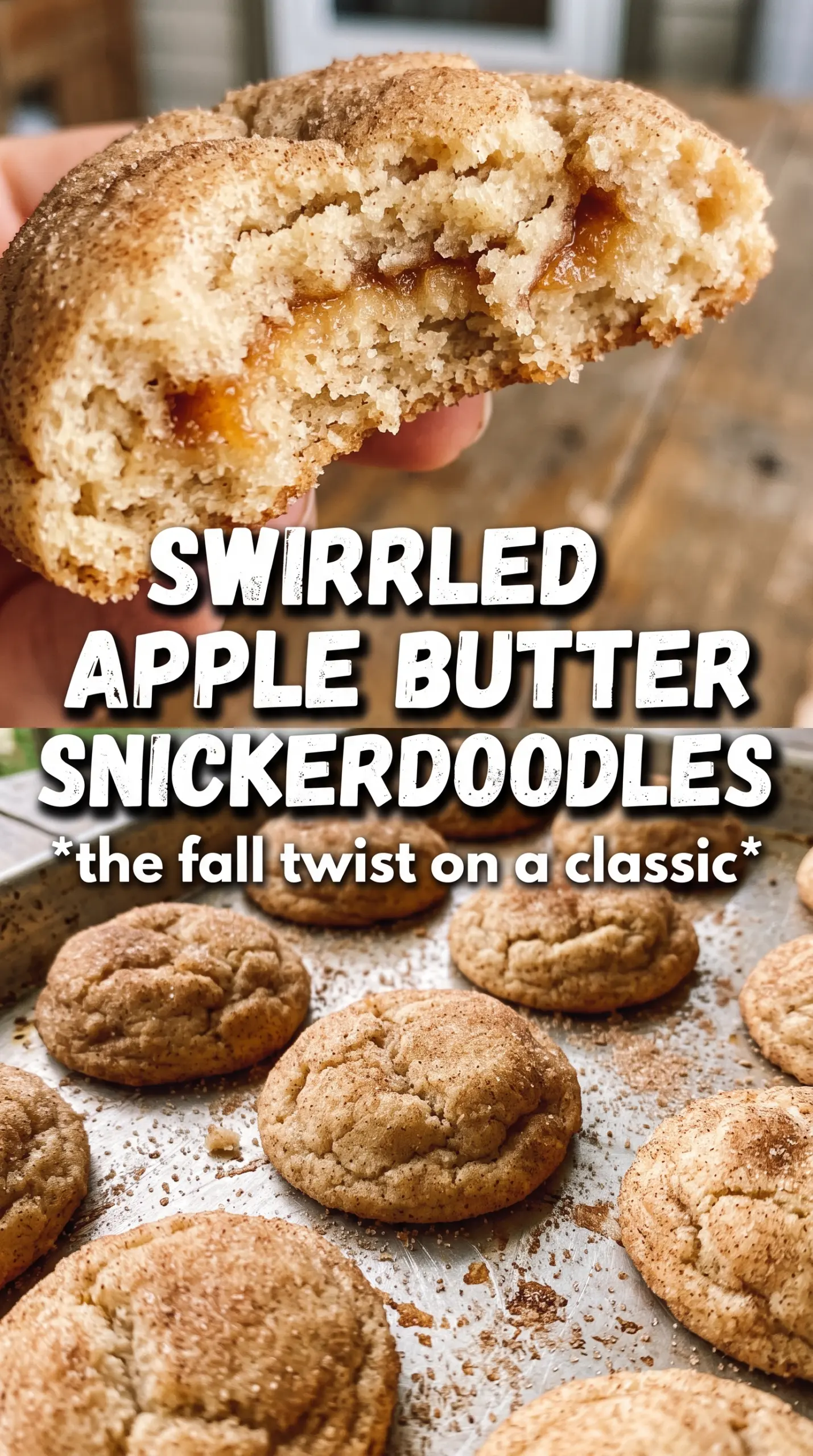
The apple butter kept the centers soft for days, and the cinnamon-sugar coating baked into those perfect crackly tops. My batch spread just enough without flattening out.
Soft, crinkled Apple Butter Snickerdoodles with cinnamon-sugar edges are the kind of cookie worth keeping handy for bake sales, lunchboxes, and late-night coffee.
The Part That Keeps These Snickerdoodles Soft Instead of Dry
Most snickerdoodles go wrong when the dough gets pushed too far toward dryness in the name of structure. Apple butter changes that balance. It adds concentrated fruit and a little extra moisture, which helps the cookies stay tender without tasting underbaked. The trick is to stop mixing as soon as the flour disappears, because overworking the dough tightens it and flattens the lift you want from the cream of tartar and baking soda.
The other thing worth paying attention to is spread. If the dough feels sticky after mixing, that's normal here. A short chill gives the flour time to hydrate and firms the butter just enough so the cookies hold their shape instead of melting into thin disks. You'll still get those classic cracked tops, but the centers stay soft and pillowy instead of hollow.
What Each Ingredient Is Actually Doing in the Dough
- Apple butter — This is the signature flavor and the main reason these cookies stay plush. It's more concentrated than applesauce, so it brings apple depth without adding loose moisture that would make the dough slump. If you only have applesauce, cook it down first until it's thick and spreadable, or the texture will be too wet.
- Cream of tartar — This gives snickerdoodles their gentle tang and helps create that familiar chewy-soft bite. There isn't a perfect substitute if you want the classic result, because it's part of what makes these cookies taste like snickerdoodles instead of just cinnamon sugar cookies.
- Butter — Softened butter creams with the sugar to trap air, which is what gives the cookies lift before the oven sets the structure. Use unsalted butter if you can, because salted butter can push the spice coating into a harsher finish.
- Apple pie spice in the rolling sugar — This is a small move, but it matters. It gives the outside a warmer, rounder spice note that follows the apple butter flavor all the way through the bite. If you don't have it, add a little extra cinnamon with a pinch of nutmeg and allspice.
From Creamed Butter to Crinkled Tops
Whipping the Butter and Sugar Until It Turns Pale
Beat the butter and granulated sugar until the mixture looks lighter in color and fluffy around the edges of the bowl. That air you're building here is what helps the cookies rise without turning cakey. If the butter is too cold, it won't cream properly; if it's melted, the dough will feel greasy and spread fast in the oven.
Bringing in the Apple Butter Without Breaking the Batter
Add the eggs, apple butter, and vanilla after the butter mixture is light, then mix just until the batter looks smooth. It may look slightly looser than a standard snickerdoodle dough, and that's fine. The problem comes when the flour goes in and the mixer keeps running too long, because that's when the cookies turn dense instead of tender.
Rolling for the Right Crackly Finish
Mix the cinnamon-sugar coating in a shallow bowl and roll each dough ball generously so the surface is fully covered. A heavy coating helps the cookies bake with those dark, sparkly ridges instead of a dull matte finish. Bake just until the edges are set and the centers still look soft; they should finish on the pan, not in the oven.
How to Adjust These Cookies Without Losing the Soft Center
Gluten-Free Swap That Still Spreads Correctly
Use a 1:1 gluten-free baking blend with xanthan gum already included. The cookies will be a touch more delicate, but the apple butter keeps them soft instead of sandy. Chill the dough for the full 30 minutes so the cookies don't over-spread.
Less Spice, More Apple
Cut the nutmeg and use only cinnamon in the dough if you want the apple butter to stand out more clearly. The cookies will taste cleaner and a little less autumn-spice heavy, which works well if your apple butter is already strongly spiced.
Dairy-Free Version
Swap the butter for a high-quality plant-based baking stick with a similar fat content. Softened texture matters here, because a tub-style spread can add too much water and make the dough loose. The flavor will be a little less rich, but the spice and apple butter still carry the cookie.
Freezing the Dough for Later
Scoop and roll the dough balls, then freeze them on a tray before transferring them to a bag. Bake straight from frozen with an extra minute or two in the oven. This works better than freezing baked cookies because the centers stay softer and the cinnamon-sugar coating looks fresher.
Storage and Reheating
- Refrigerator: Store in an airtight container for up to 5 days. The cookies stay soft, though the cinnamon sugar on the outside softens a little after the first day.
- Freezer: Freeze baked cookies for up to 2 months. Stack with parchment between layers so the coating doesn't rub off. Freeze the dough balls if you want the best texture.
- Reheating: Warm baked cookies in a 300F oven for 3 to 4 minutes, just until the centers loosen again. The common mistake is microwaving too long, which turns the soft middle gummy instead of tender.
Answers to the Questions Worth Asking
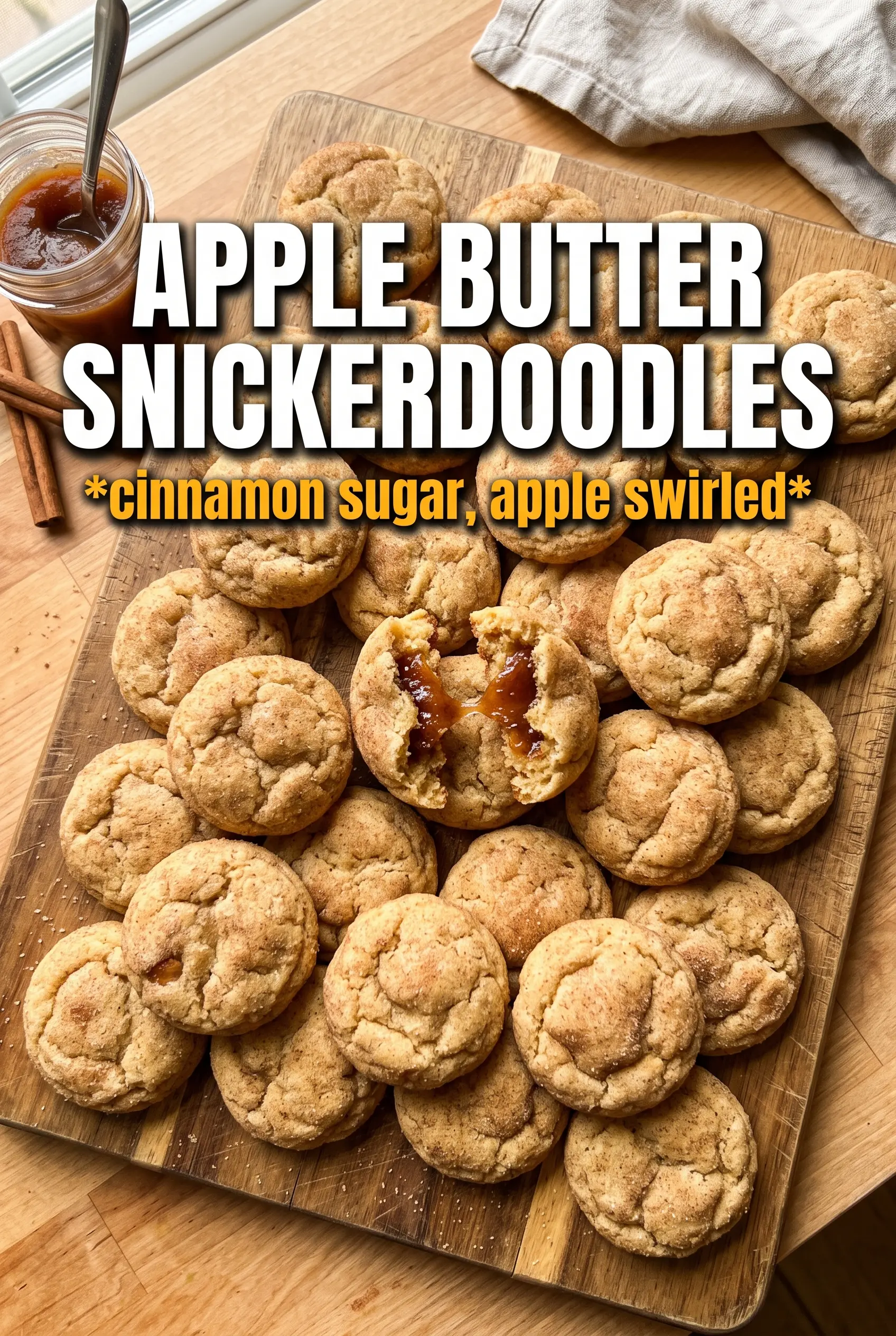
Apple Butter Snickerdoodles
Ingredients
Equipment
Method
- Preheat the oven to 375F and line baking sheets with parchment.
- Whisk together flour, cream of tartar, baking soda, cinnamon, nutmeg, and salt until evenly combined.
- Beat the softened butter and granulated sugar until very light and fluffy.
- Add the eggs, apple butter, and vanilla, then beat until smooth.
- Fold in the flour mixture just until combined, then refrigerate the dough 30 minutes if it feels sticky.
- Mix the rolling sugar with cinnamon and apple pie spice in a shallow bowl.
- Scoop the dough into 1-1/2 tablespoon balls, then roll generously in the cinnamon-sugar mixture.
- Place the balls on the prepared baking sheets with space between them.
- Bake for 10-12 minutes at 375F, until the cookies are crinkled and the edges are just set.
- Cool the cookies on the pan for 5 minutes, so the centers finish setting while staying soft.


