Bright pineapple salsa wakes up a bowl of chips faster than almost any dip I make. The pineapple stays juicy and sweet, the jalapeño brings a clean little kick, and the lime sharpens everything so it tastes fresh instead of syrupy. After a short chill, the flavors settle into something balanced enough to eat by the spoonful.
What makes this version work is the mix of textures and the order of the dressing. Fresh pineapple gives you clean sweetness and enough juice to carry the salsa, while red bell pepper and red onion add crunch without making it watery. A little honey rounds out sharp lime and heat, but it shouldn’t turn the salsa into dessert; it just smooths the edges so the fruit still tastes bright. The 30-minute rest matters because it lets the onion soften slightly and the salt pull the flavors together.
Below you’ll find the few details that make this salsa dependable, including how to keep it from getting soggy and what to change if your pineapple is extra tart or very sweet.
The pineapple stayed crisp, the jalapeño gave it a clean heat, and after the chill time the lime and honey tasted perfectly balanced. I served it with chips and then put the leftovers on grilled chicken the next day.
Save this pineapple salsa for chips, tacos, and grilled chicken nights when you want something sweet, spicy, and fresh.
The Trick to Keeping Pineapple Salsa Bright Instead of Watery
The biggest mistake with fruit salsa is letting the bowl sit in its own juice too long before the salt and lime go in. Pineapple leaks liquid as it rests, and if you season too early without the acid and salt working together, the salsa can taste flat and turn soupy fast. This version keeps the structure by using diced bell pepper and onion for crunch, then giving the mixture a short chill so the flavors blend without breaking down the fruit.
Seed the jalapeño if you want heat without the sharp burn that can overpower the pineapple. If your pineapple is extra ripe, use the full lime juice and less honey. If it tastes tart, the honey smooths it out without making the salsa clingy or heavy.
What Each Ingredient Is Actually Doing in This Salsa
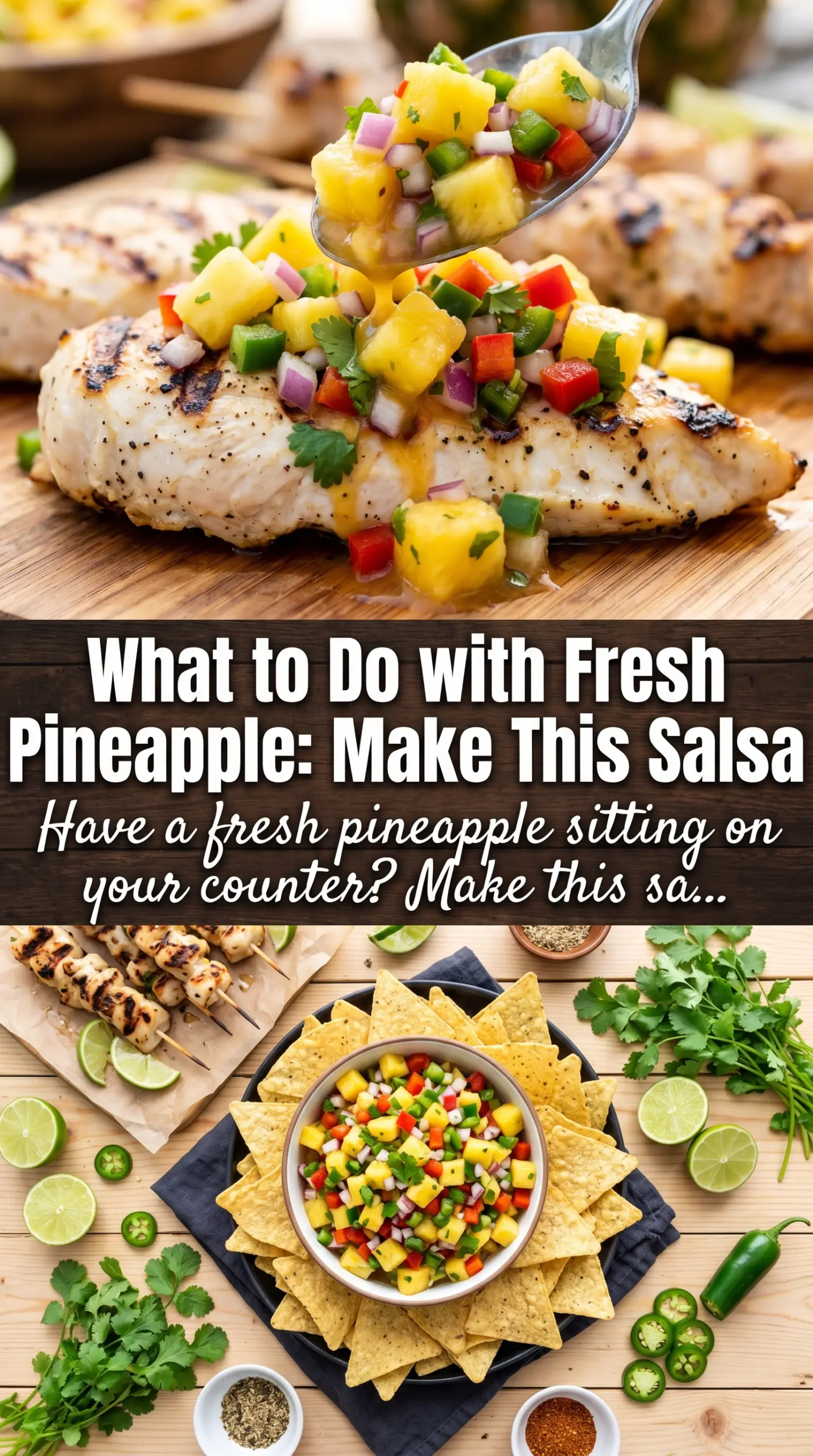
- Fresh pineapple — This is the base of the whole salsa, so use ripe pineapple with a strong sweet smell and firm flesh. Canned pineapple turns this softer and sweeter in a way that reads more like relish than salsa.
- Red bell pepper — It adds crunch and keeps the salsa from leaning too soft or one-note. Green pepper works in a pinch, but it brings a grassy edge that fights the fruit.
- Red onion — It gives bite and a little heat that balances the sweetness. Finely dice it so you get flavor in every scoop without big harsh pieces.
- Jalapeño — This is where the salsa gets its spark. Seed it for a milder bowl, or leave a few seeds in if you want a more noticeable burn.
- Lime juice and honey — Lime makes the fruit taste brighter, and honey rounds out the acidity so the salsa doesn’t come across as too sharp. If your pineapple is especially sweet, start with a lighter hand on the honey and taste before adding more.
- Cilantro — It gives the salsa that fresh, herbal finish that makes the bowl taste just-cut. If you’re one of the people who tastes soap, use chopped mint instead for a different but still fresh finish.
Building the Bowl So the Fruit Stays Crisp
Mix the chopped ingredients first
Combine the pineapple, bell pepper, onion, jalapeño, and cilantro in a medium bowl before you add the dressing. That gives you a chance to see the texture of the dice and catch any overly large pieces that would throw off the scoop. The bowl should look colorful and evenly chopped, not mashed or crushed.
Whisk the dressing separately
Stir the lime juice, honey, and salt together until the honey disappears into the liquid. If you pour honey straight onto the fruit, it can cling in streaks and leave some bites underseasoned. The dressing should taste bright, a little sharp, and just sweet enough to round off the edges.
Let the salsa rest before serving
Toss everything together until the fruit is coated, then refrigerate for 30 minutes. This resting time softens the onion just enough and lets the salt pull the flavors into balance. If you skip the chill, the salsa still works, but it tastes louder and less integrated.
Make it hotter without changing the texture
Leave some jalapeño seeds in, or add a second minced pepper if you want a more pronounced kick. The key is to increase heat with chile, not with extra lime, because too much acid can push the salsa toward sour and mask the pineapple.
Make it dairy-free and naturally vegan
This salsa already fits both diets as written. If you’re serving it to a mixed crowd, just keep the chips and any toppings separate so people can use it however they like.
Use mango for part of the pineapple
Swap up to half the pineapple for diced mango if you want a softer, sweeter salsa with a more tropical finish. Mango lowers the crunch a little, so keep the red pepper in for structure.
Storage and Reheating
- Refrigerator: Store covered for up to 3 days. The pineapple softens and the bowl gets juicier each day, but the flavor stays good.
- Freezer: Don’t freeze it. The fruit breaks down and turns watery when thawed.
- Reheating: No reheating needed. Stir before serving if the juices collect at the bottom, and drain off a little liquid if you want a thicker scoop.
Questions I Get Asked About This Recipe
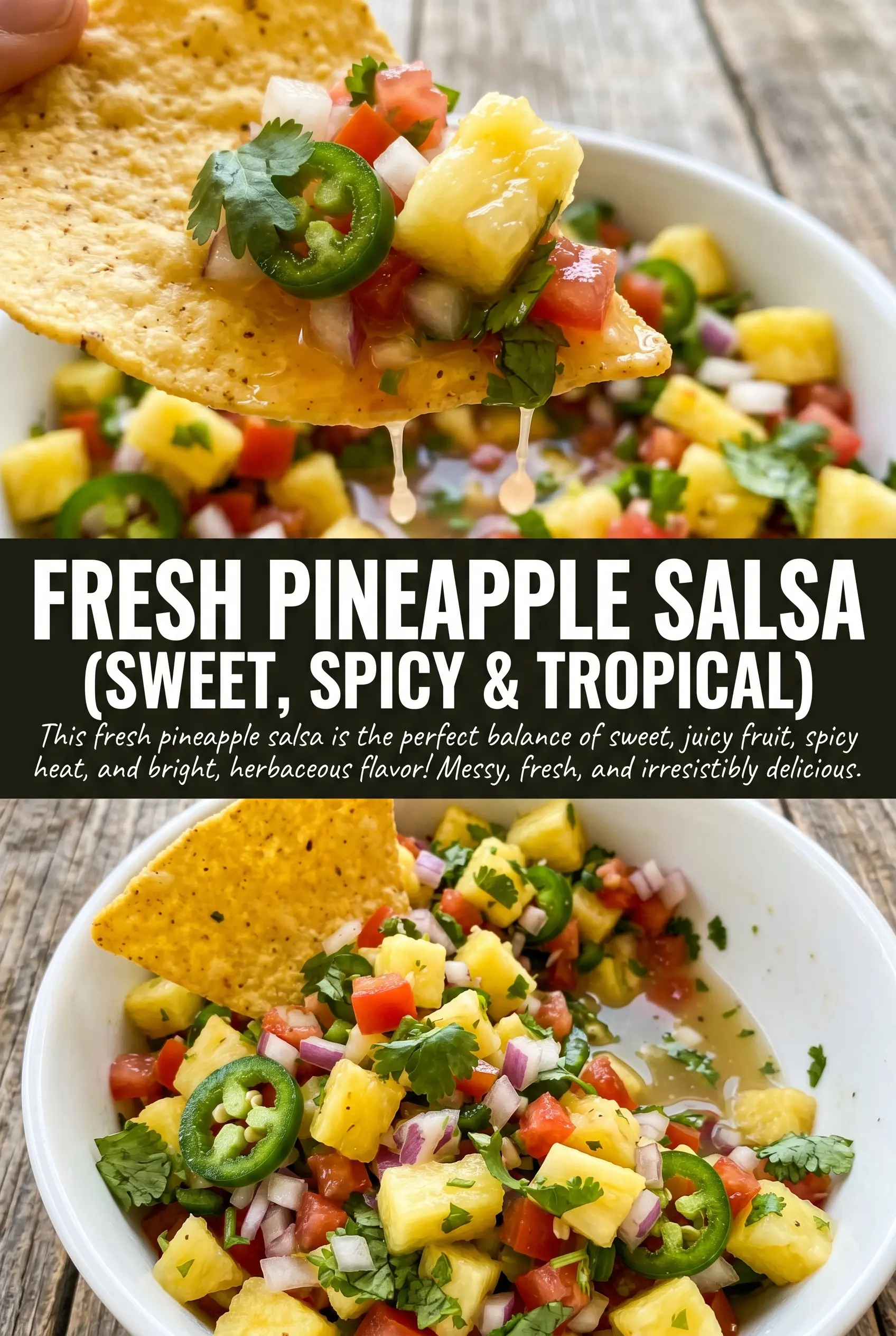
Pineapple Salsa
Ingredients
Method
- Combine fresh pineapple, red bell pepper, red onion, jalapeño, and fresh cilantro in a bowl.
- Whisk together the juice of 2 limes, honey, and salt until the honey dissolves.
- Pour the dressing over the pineapple mixture and toss well so everything is evenly coated.
- Refrigerate for 30 minutes to let the flavors meld, then look for more unified color and juice coating the fruit.
- Serve with tortilla chips for dipping.