Soft apple slices in a glossy cinnamon syrup are one of those side dishes that disappear faster than the main course. The apples stay tender but don’t collapse, the sauce turns shiny instead of watery, and the butter-cinnamon mixture coats every piece with just enough sweetness to feel special without tasting heavy. Served warm, they work next to pork, spooned over pancakes, or eaten straight from the skillet when nobody’s looking.
The trick is cooking the apples covered at first, which softens them without drying out the pan, then thickening the juices at the end with a cornstarch slurry. That last step matters more than people think. Brown sugar and butter make a nice syrup, but apples release a lot of liquid as they cook, and if you skip the thickener, the whole thing slides toward soupy instead of glossy. A firm apple keeps its shape; a mealy one turns to mush before the sauce has a chance to finish.
Below, I’m walking through the little details that keep this dish balanced, plus the apple swaps and storage tips that actually help on a busy night.
The apples stayed tender but still held their shape, and the sauce thickened into that perfect glossy coating instead of turning watery. We spooned it over pork chops and there wasn’t a drop left.
Save these cinnamon fried apples for pork chops, pancakes, or a warm skillet dessert when you want tender apples in a glossy brown sugar sauce.
The Trick to Keeping Cinnamon Apples Tender, Not Mushy
The biggest mistake with fried apples is cooking them fast over high heat and calling it done. The outside softens before the center has time to turn tender, and by the time the syrup looks right, the apples have started breaking apart. Covered cooking fixes that. It traps steam, helps the apples soften evenly, and gives the brown sugar time to melt into the butter instead of scorching on the pan.
Another quiet issue is apple choice. Some varieties hold their shape and stay pleasantly firm; others go mealy or collapse into sauce. For this dish, you want slices that keep a little bite after 8 to 10 minutes on the stove. That texture contrast is what makes the skillet feel finished instead of just sweet.
- Firm apples — Honeycrisp gives you sweetness and structure, while Granny Smith leans tart and holds its shape even better. Either one works; just avoid soft baking apples that turn to pulp before the sauce thickens.
- Brown sugar — Packed brown sugar melts into a deeper caramel note than white sugar. It’s part flavor, part body, because it helps the sauce turn syrupy as it cooks with the butter and apple juices.
- Cornstarch — This is what keeps the pan juices from staying thin. Mix it with water first so it disperses evenly; if you dump it straight in, it clumps and leaves little cloudy bits in the sauce.
What Each Ingredient Is Doing in the Skillet
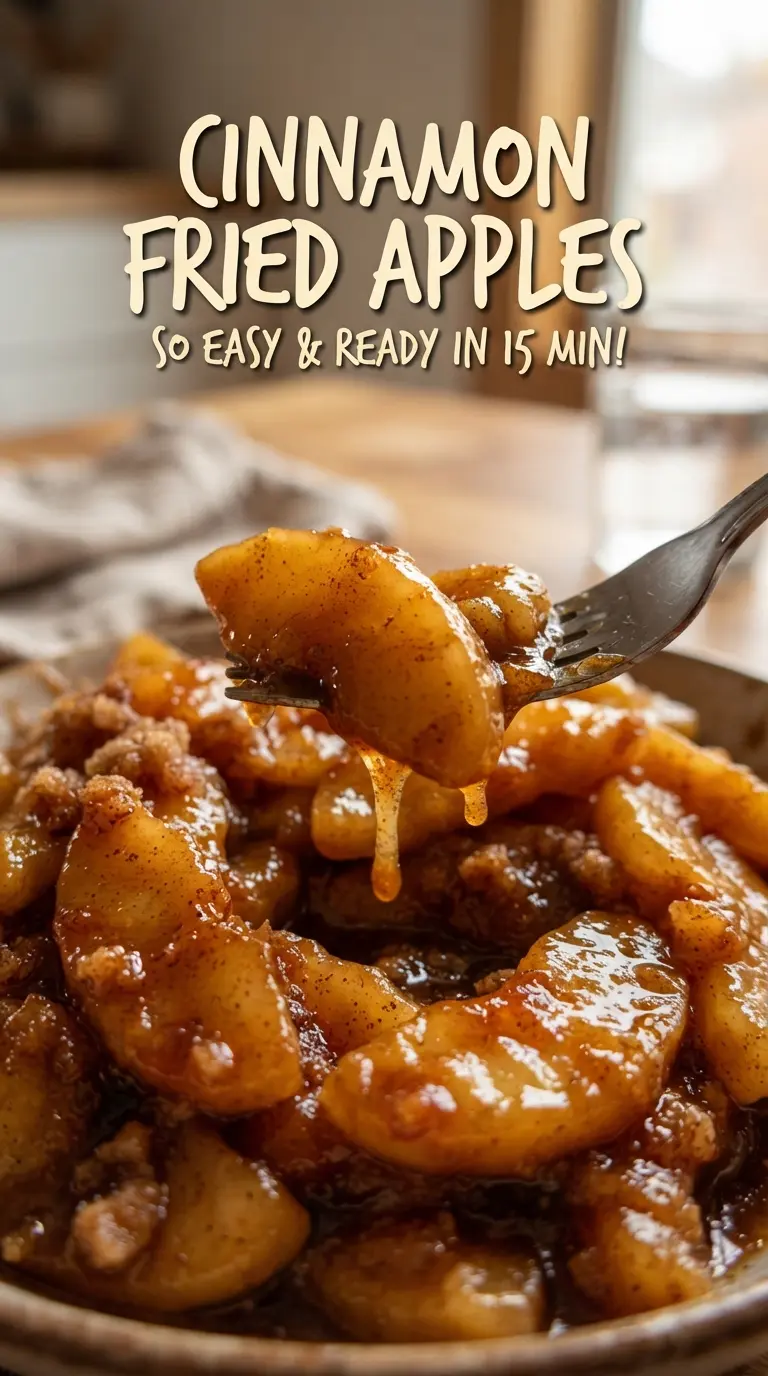
- Apples — The apples are the whole texture of the dish. Honeycrisp gives a juicier, sweeter result; Granny Smith gives you a firmer, brighter bite. If you use a mix, you get the best of both worlds.
- Butter — Butter carries the cinnamon and gives the sauce its silky finish. Salted or unsalted both work, but if you use salted butter, ease up on the pinch of salt in the recipe.
- Brown sugar — This melts into the apple juices and creates the base of the glaze. Dark brown sugar makes a deeper molasses flavor; light brown sugar keeps things a little cleaner and softer.
- Cinnamon, nutmeg, and vanilla — Cinnamon leads, nutmeg adds a warm background note, and vanilla goes in at the end so it doesn’t cook off. Vanilla added too early loses its lift and tastes flatter.
- Cornstarch slurry — Water first, then cornstarch, whisked until smooth. That’s the difference between a glossy syrup and a lumpy one.
The 15 Minutes That Turn Apples Into a Proper Side Dish
Softening the Apples Under a Lid
Melt the butter over medium heat, then add the apples with the brown sugar, cinnamon, nutmeg, and salt. Stir until every slice looks coated, then cover the skillet and let the steam do the first part of the work. The apples should look glossy and slightly translucent at the edges before you uncover them; if the heat is too high, the sugar can catch before the centers soften.
Building the Syrup Without Going Watery
Once the apples are just tender, whisk the cornstarch with the water and pour it into the skillet. Stir right away and keep the heat at a steady simmer. The sauce will look thin for a minute, then tighten and turn shiny as the starch activates. If it stays cloudy or gluey, the cornstarch didn’t fully disperse, which usually means it was added straight into the pan instead of mixed first.
Finishing With Vanilla
Stir in the vanilla after the sauce thickens and pull the skillet off the heat. That last minute matters because vanilla is strongest when it stays aromatic, not boiled. Serve the apples warm while the glaze is still loose enough to spoon over the top. As they sit, the sauce thickens a little more, which is exactly what you want.
How to Adapt These Fried Apples for Different Tables
Dairy-Free Fried Apples
Use a plant-based butter that behaves like real butter in cooking, not a soft spread from the tub. You’ll lose a little of the dairy richness, but the sauce still turns glossy and coats the apples well if the substitute can take medium heat.
Less-Sweet Southern Style
Cut the brown sugar back to 1/4 cup and use Granny Smith apples for more tartness. The sauce will be lighter and less dessert-like, which works better alongside pork or chicken.
Extra-Thick Spoonable Topping
Add another teaspoon of cornstarch to the slurry if you want the apples to sit thickly on pancakes, waffles, or pound cake. The sauce will set up more as it cools, so don’t overdo it or the skillet will go past glossy and turn pasty.
Storage and Reheating
- Refrigerator: Store in an airtight container for up to 4 days. The sauce will thicken more as it chills.
- Freezer: It freezes, but the apples soften after thawing, so the texture is best when fresh. Freeze only if you plan to use them later as a topping or mix-in, not as a stand-alone side.
- Reheating: Warm gently in a skillet over low heat with a splash of water if the sauce has tightened too much. High heat can push the apples from tender to mushy in a minute.
Answers to the Questions Worth Asking
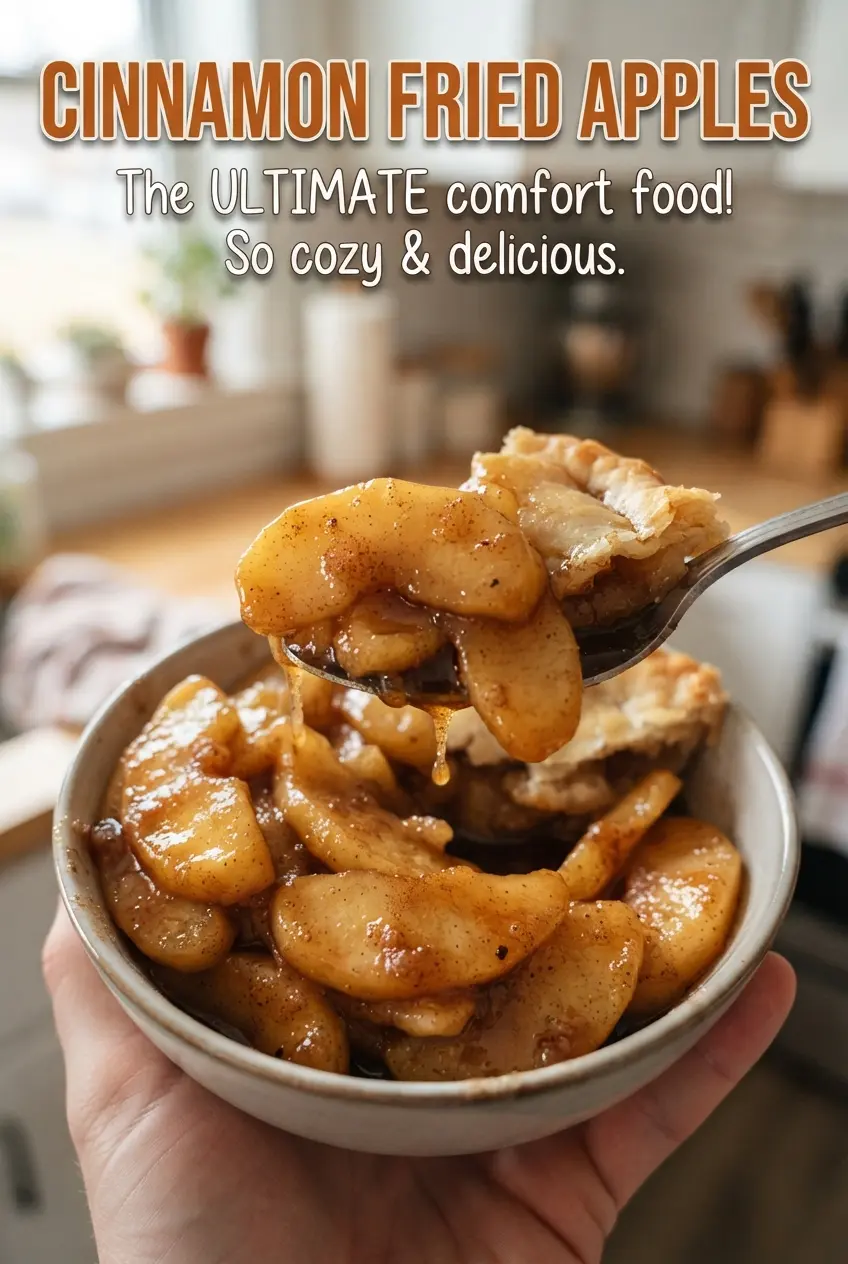
Cinnamon Fried Apples
Ingredients
Equipment
Method
- Melt butter in a large cast iron skillet over medium heat, swirling until fully melted and glossy.
- Add apples, brown sugar, cinnamon, nutmeg, and salt—stir to coat until the apple slices are evenly covered.
- Cover and cook 8-10 minutes over medium heat, stirring occasionally, until the apples are just tender and beginning to release juices (you should see gentle steam under the lid).
- Whisk cornstarch with water, then pour into the skillet while stirring so no dry streaks remain.
- Simmer 2-3 minutes, stirring often, until the sauce thickens and turns glossy enough to lightly cling to the apples (watch for bubbling and sheen).
- Stir in vanilla and serve warm, letting the steam rise as the sauce settles into a smooth coating.


