Glossy, sticky brown sugar ham glaze is what turns a good baked ham into the kind people keep sneaking back to the carving board for. It’s sweet without tasting flat, with a little tang from Dijon and vinegar that keeps the whole thing from turning cloying. The finish is lacquered and burnished, with those little caramelized edges that cling to every slice.
The trick is to build the glaze on the stovetop first so the sugar fully dissolves before it ever hits the ham. Honey adds shine, brown sugar gives that deep molasses note, and the mustard cuts through the richness just enough to keep each bite balanced. Pineapple or orange juice brings a bright fruit note, and the cinnamon and cloves make the glaze taste warm and rounded instead of one-dimensional.
Below, I’ve included the exact timing that keeps the glaze glossy instead of scorched, plus the small swaps that work when you need to use what’s already in the kitchen.
The glaze thickened up in just a few minutes and brushed on beautifully. It stayed glossy on the ham and the mustard kept it from tasting too sweet.
Save this brown sugar ham glaze for the ham that needs a glossy, caramelized finish with a hint of tang.
The Part That Keeps This Glaze Glossy Instead of Grainy
Brown sugar glazes go wrong when the sugar never fully dissolves before they hit heat again. That’s when you get a sandy texture, or worse, burnt spots where the sugar catches on the surface of the ham before the rest of the glaze has time to set. Starting the glaze in a saucepan gives the sugar, honey, and juice time to melt together into one smooth syrup, and that matters more than rushing it.
The second thing that keeps this version on track is the balance of acid and fat. Butter softens the edges, apple cider vinegar keeps the sweetness sharp, and Dijon does the same job with a little more depth. If the glaze tastes flat in the pan, it usually needs either another minute of simmering or a tiny splash more vinegar, not more sugar.
What the Brown Sugar, Honey, and Dijon Are Each Doing Here
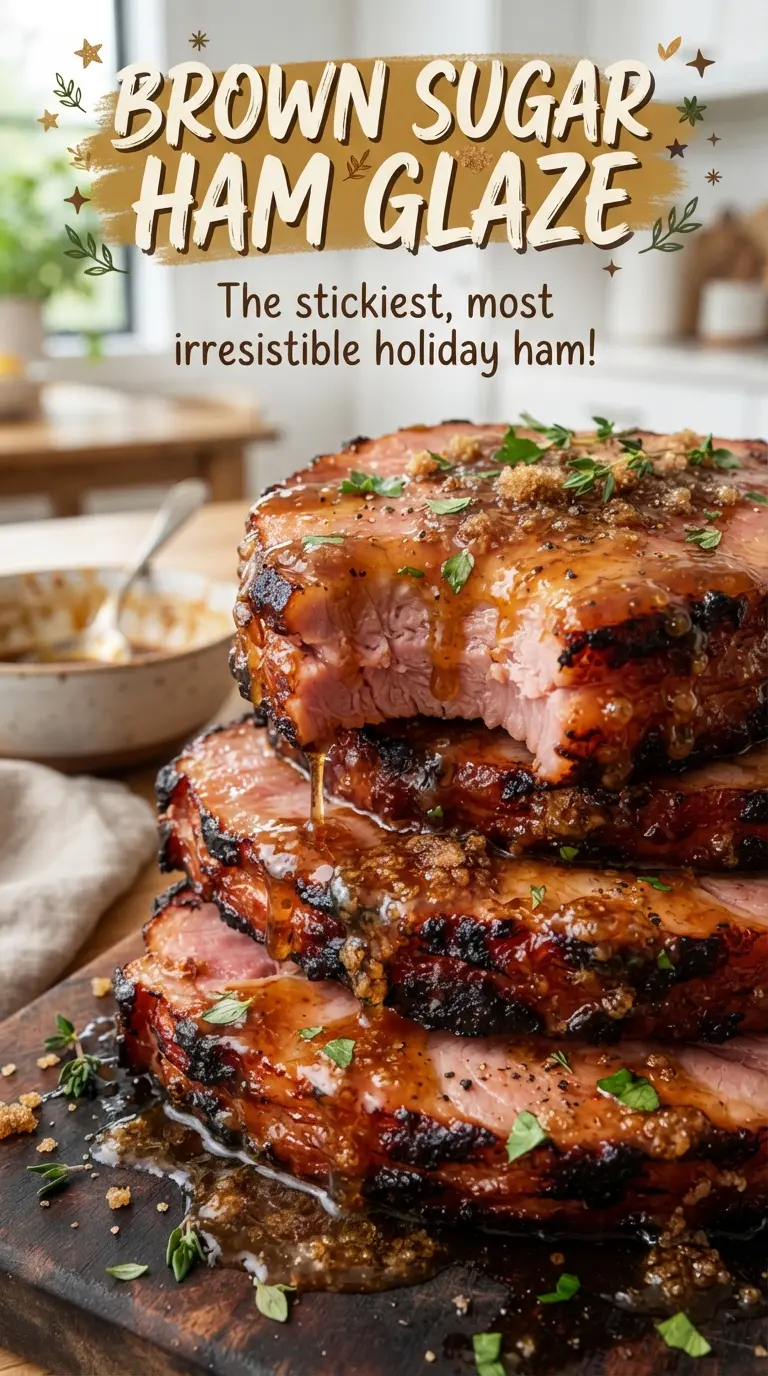
- Brown sugar — This is the body of the glaze and what gives you that deep caramel note. Packed brown sugar works best because the molasses content helps the glaze cling to the ham instead of running right off.
- Honey — Honey adds shine and a softer sweetness than sugar alone. If you swap in maple syrup, the glaze gets a woodsy note, but it won’t taste quite as classic or finish quite as glassy.
- Pineapple or orange juice — Either one loosens the glaze and gives it the acidity it needs to stay lively. Pineapple brings a sharper tang; orange reads a little rounder and gentler.
- Dijon mustard — This keeps the glaze from tipping into candy territory. Regular yellow mustard can work in a pinch, but Dijon gives a smoother bite and blends in more cleanly.
- Butter — Butter gives the glaze a satin finish and helps it coat the ham evenly. Skip it only if you need a dairy-free version; otherwise it’s part of what makes the glaze look polished.
How to Cook the Glaze So It Clings to the Ham
Building the Base
Combine everything in a saucepan and set it over medium heat. Stir often at first, especially around the edges where the sugar wants to settle and stick. You’re looking for a smooth mixture with no visible grains of sugar, and the moment it comes to a simmer, the whole pot should look unified and glossy. If the heat is too high, the sugars can scorch before they dissolve, which gives the glaze a bitter edge.
Reducing to a Brushable Finish
Let the glaze simmer for 3 to 4 minutes, just until it thickens slightly and starts to look lacquer-like. It should coat the back of a spoon but still flow off it in a steady ribbon; if it turns pasty in the pan, it’ll set up too fast on the ham and look dull instead of shiny. Pull it from the heat once it smells warm and spiced, not cooked down to a hard candy stage.
Painting on the Ham
Brush the glaze over a fully cooked ham during the last 30 minutes of baking, then repeat every 10 minutes. That layering is what builds the burnished surface without letting the sugars blacken. If the ham is already hot when the glaze goes on, it will grab and caramelize faster, so watch the edges closely in the final basting round. Spoon any remaining warm glaze over the sliced ham at the table for the best gloss and flavor.
How to Adapt This Brown Sugar Ham Glaze Without Losing the Balance
Dairy-Free Glaze
Swap the butter for an equal amount of neutral oil or dairy-free butter. You’ll lose a little of the rich satin finish, but the glaze will still cling well and set with the same glossy look.
Pineapple Versus Orange
Use pineapple juice for a brighter, tangier glaze that cuts through a salty ham. Orange juice makes it softer and a little more rounded, which works well if you want a sweeter finish.
Less Sweet, More Savory
Cut the brown sugar back slightly and add a touch more Dijon or vinegar. That keeps the glaze balanced while still giving you the caramel color and sticky finish people expect.
Storage and Reheating
- Refrigerator: Store leftover glaze in an airtight container for up to 5 days. It will thicken as it chills.
- Freezer: It freezes well for up to 2 months. Freeze in a small container and thaw in the fridge before reheating.
- Reheating: Warm it slowly in a saucepan over low heat with a teaspoon or two of water, juice, or stock if needed. Don’t boil it hard or it can turn sticky and overly thick.
Questions I Get Asked About This Recipe
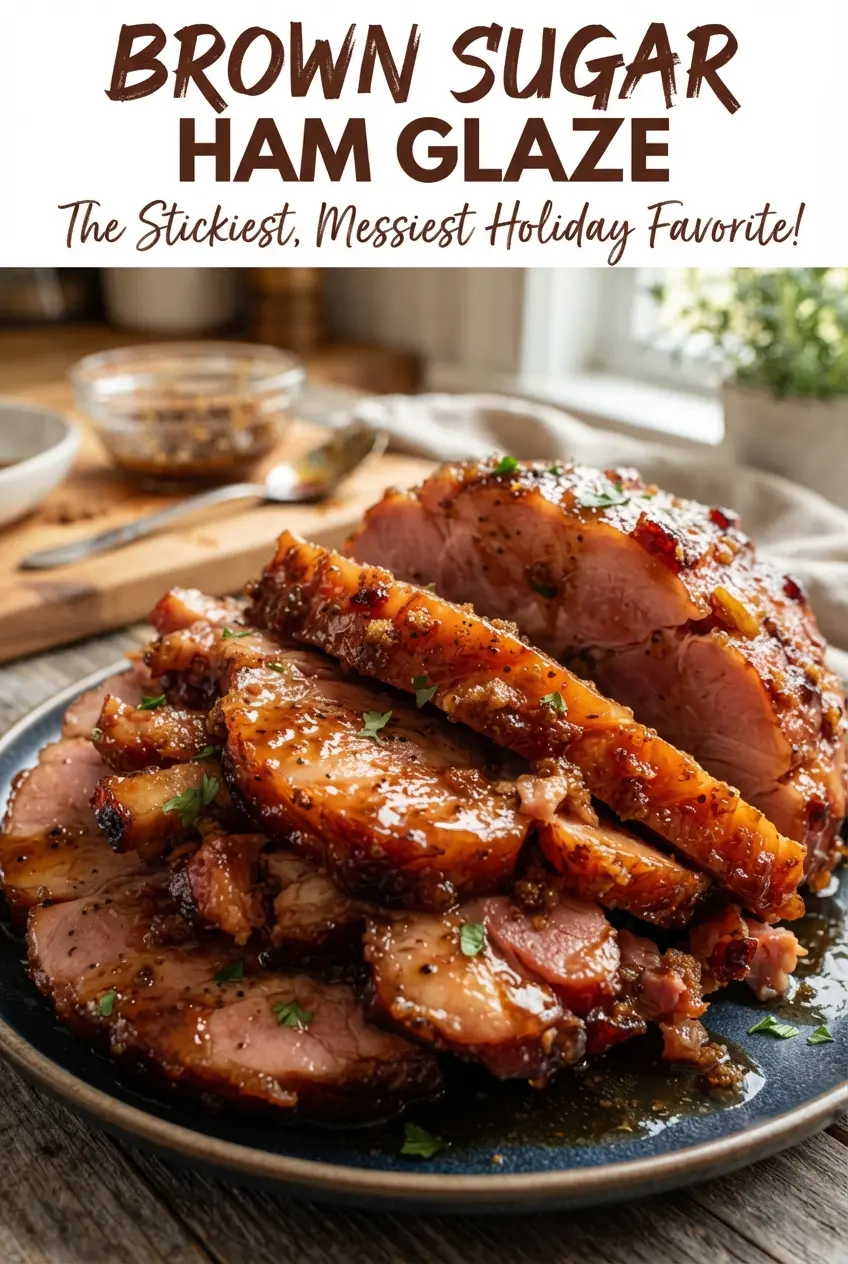
Brown Sugar Ham Glaze
Ingredients
Equipment
Method
- Add brown sugar, honey, pineapple or orange juice, Dijon mustard, butter, apple cider vinegar, cinnamon, and cloves to a saucepan. Stir to combine so the spices and sugar are evenly distributed.
- Bring the mixture to a simmer over medium heat, stirring until the sugar dissolves. Look for small bubbles starting around the edges as the glaze turns smooth and glossy.
- Simmer for 3-4 minutes until the glaze is slightly thickened and glossy. Watch the surface coat the spoon and hold a slow drip.
- Brush the warm glaze over a fully cooked ham during the last 30 minutes of baking. Apply an even coat so it settles into the scored diamond pattern.
- Brush again every 10 minutes during the last 30 minutes of baking. Keep the ham glossy with each pass, letting drips run down the scored surface.
- Spoon the remaining warm glaze over sliced ham at the table. Serve immediately so the glaze clings to the meat with shiny amber coverage.