Queso fundido should arrive at the table bubbling at the edges, with a center that stays silky long enough for one more scoop. The best versions don’t just melt — they stretch, cling, and pull into long strands when you lift them with a chip. Chorizo adds depth and a little heat, while jalapeños cut through the richness so the whole skillet tastes balanced instead of heavy.
The trick is using a mix of cheeses that melt in different ways. Oaxaca or mozzarella gives you the stretch, Chihuahua or asadero melts into a smoother base, and a little Cotija adds salty pockets that keep every bite interesting. Cooking the chorizo first does more than add flavor; it leaves seasoned fat in the pan, which helps everything taste fuller without needing extra steps.
Below, I’ve included the part that matters most: how to keep the cheese smooth instead of greasy, plus a few swaps for when you want to make this with what you already have on hand.
The cheese stayed perfectly stretchy instead of turning oily, and the chorizo gave it such a good smoky edge. I kept the skillet on low and it was still scoopable by the time everyone got seconds.
Creamy, stretchy queso fundido with chorizo belongs in your Pinterest saves for game day, taco night, and every time you want a skillet dip that disappears fast.
The Difference Between Melted and Broken Queso Fundido
The biggest mistake with queso fundido is treating it like a sauce. It isn’t one. It wants gentle heat, not a hard simmer, and it wants enough structure from the cheese blend to stay creamy instead of turning greasy. If the pan is too hot when the cheese goes in, the fat separates before the cheese has time to melt into itself.
That’s why the order matters. The chorizo gets cooked first so it can season the skillet, but the cheese goes in only after the heat has dropped a little. Once it starts to melt, stir often and keep the movement steady. You’re looking for a glossy, elastic mass that loosens as it warms, not a pool of oil around the edges.
- High-moisture cheeses — Oaxaca and mozzarella bring the pull. Oaxaca gives the most authentic stretch, while mozzarella is the easiest backup if that’s what you can find.
- A smoother melting cheese — Chihuahua or asadero helps the whole skillet turn creamy instead of stringy in a dry way. If you can’t find either one, Monterey Jack is the closest practical swap.
- Salted finishing cheese — Cotija doesn’t melt into the base; it adds sharp little bursts of salt. Use queso fresco if needed, but know that the result will be milder and less punchy.
- Heavy cream — Just two tablespoons help the cheese emulsify and stay supple. Don’t add a lot more or the dip loses that thick, scoopable texture.
What Happens in the Skillet, Minute by Minute
Cooking the Chorizo Until It Leaves Flavor Behind
Start with the chorizo in a cast iron skillet or a small heavy-bottomed pot and break it up as it cooks. You want it browned, not pale and steamed, because the browned bits and rendered fat are what season the cheese later. If there’s a huge amount of grease in the pan, spoon off a little before adding the aromatics so the final dip doesn’t turn slick.
Waking Up the Garlic and Jalapeños
Add the minced garlic and diced jalapeños to the hot chorizo and cook them for about a minute. The garlic should smell fragrant but not browned, and the jalapeños should soften at the edges while still keeping some bite. If the garlic darkens, the whole skillet starts tasting bitter, so keep this stage brief.
Melting the Cheese Without Overheating It
Lower the heat before the cheese goes in, then add Oaxaca, Chihuahua, Cotija, and the heavy cream. Stir frequently and give the cheese a few seconds between turns so it can melt evenly instead of clumping. If the mixture looks greasy before it looks smooth, the pan is too hot; pull it off the burner and stir until it comes back together.
Finishing and Serving Before It Sets
Once the cheese is fully melted and glossy, top it with diced onion and cilantro right away. Serve it straight from the skillet with warm tortilla chips, because queso fundido thickens as it sits. If you need to hold it, keep the heat low and steady; high heat will push it from creamy to split in a hurry.
How to Adapt This Queso Fundido for Different Pans, Diets, and Crowd Sizes
Dairy-Free Version With the Same Skillet Energy
Use a plant-based melting cheese that’s designed to stretch, then add a small splash of unsweetened oat cream or cashew cream for body. The result won’t taste exactly like traditional queso fundido, but it can still be creamy and scoopable if you keep the heat low and don’t rush the melt.
Milder Queso Fundido for Less Heat
Swap the jalapeños for roasted green chiles or use only half the jalapeños and remove the seeds. You’ll keep the savory depth from the chorizo without the sharper bite, which works well if you’re serving a mixed crowd.
Vegetarian Skillet Dip
Skip the chorizo and cook the garlic and jalapeños in a tablespoon of butter or oil instead. Add a few chopped sautéed mushrooms or roasted poblano strips for more savoriness, since the cheese alone won’t give the same depth that chorizo does.
Storage and Reheating
- Refrigerator: Store leftovers in a sealed container for up to 3 days. The texture will firm up as it chills, and the cheese may separate a little.
- Freezer: I don’t recommend freezing it. Melted cheese dips usually turn grainy after thawing, and the texture never comes back cleanly.
- Reheating: Warm it slowly over low heat with a small splash of cream, stirring often. The common mistake is blasting it in the microwave or over high heat, which pushes the cheese to split before it loosens again.
Questions I Get Asked About This Recipe
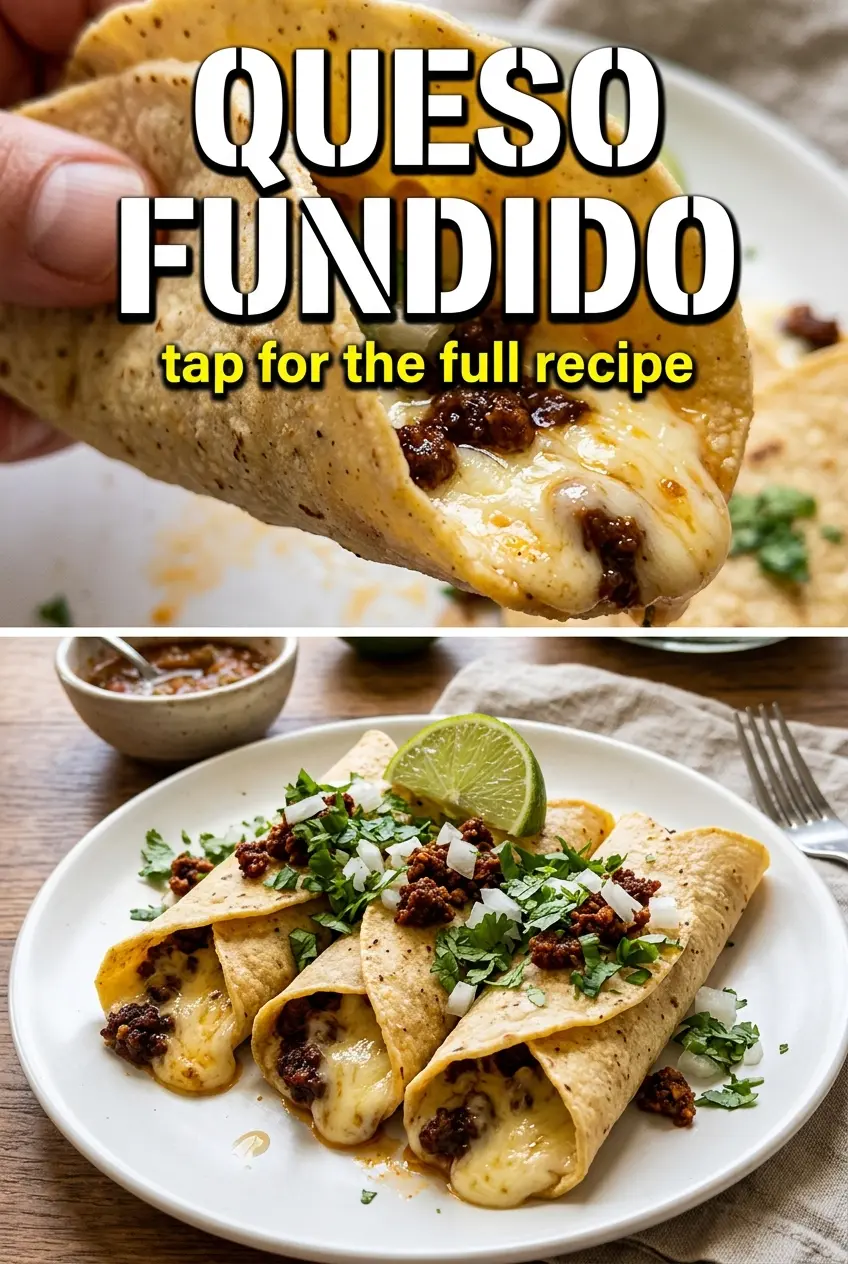
Queso Fundido
Ingredients
Equipment
Method
- Heat a cast iron skillet over medium-high heat, then add chorizo and cook for 8-10 minutes, breaking it apart, until browned and sizzling.
- Stir in minced garlic and diced jalapeños, then cook for 1 minute until fragrant.
- Add Oaxaca, Chihuahua, and Cotija cheeses with heavy cream, then stir frequently over medium heat for 5-7 minutes until completely melted and smooth.
- Continue stirring just until the mixture is glossy and bubbling, with stretchy strings when scooped.
- Top the queso with diced onion and chopped cilantro.
- Serve immediately in the cast iron skillet with warm tortilla chips for dipping.
- Keep warm over low heat for up to 30 minutes, or transfer to a slow cooker on low to maintain a gentle simmer.