Horchata cupcakes bake up soft, fragrant, and just a little plush in the middle, with cinnamon and clove giving the crumb that unmistakable warm-spice taste. The horchata doesn’t just add flavor; it keeps the cake tender without making it heavy, and the cream cheese buttercream brings the same creamy, cinnamon-kissed character in every bite.
The trick is treating the batter like a proper butter cake instead of a quick stir-together cupcake. Cream the butter and sugar until pale, then add the eggs one at a time so the batter can hold air. From there, alternate the dry ingredients with the horchata so the cupcakes stay smooth and even instead of dense. The frosting follows the same idea: beat the cream cheese and butter until perfectly smooth before anything else goes in, or you’ll fight lumps later.
Below, I’ve included the small details that matter most, from keeping the crumb soft to getting that cinnamon sugar rim to stick without sliding off.
The cupcakes came out super soft and the horchata flavor was there without being too sweet. I loved that the frosting held its shape, and the cinnamon sugar rim made them taste like the drink in cupcake form.
Save these horchata cupcakes for the days when you want cinnamon-spiced cake, tangy cream cheese frosting, and that white chocolate drizzle in one neat little bite.
The Step That Keeps Horchata Cupcakes Light Instead of Heavy
The biggest risk in these cupcakes is overmixing once the flour and horchata start going in. Extra stirring develops the flour and tightens the crumb, which is how you end up with cupcakes that taste fine but eat a little chewy. Alternate the dry ingredients with the horchata in small additions and stop as soon as the batter looks smooth.
The second thing that matters is the balance of spice. Cinnamon gives the obvious horchata note, but just a little clove is what makes the flavor read as horchata instead of plain vanilla cake with cinnamon on top. Too much clove takes over fast, so keep it measured and let the horchata do the rest.
- Creaming the butter and sugar — This is where the cupcakes get their lift. Beat until the mixture looks lighter in color and fluffy, not greasy or dense.
- Adding the eggs one at a time — This keeps the batter emulsified. If you dump them in together, the mixture can look curdled and the cupcakes may bake unevenly.
- Alternating flour and horchata — This controls the texture. The flour protects the batter from becoming too loose while the horchata adds moisture and flavor.
Why the Horchata and Cream Cheese Need Each Other
The horchata in the cake and frosting is the ingredient that ties everything together, so a thin or watery version will water down the whole dessert. A good horchata should taste creamy, cinnamon-forward, and slightly sweet. If yours is homemade, strain it well before measuring so the cupcakes don’t pick up grit.
Cream cheese is nonnegotiable in the frosting because it gives the topping a little tang and keeps it from tasting flat. Butter alone would make it rich, but not balanced. The white chocolate drizzle is the finishing touch rather than a main flavor, so use a good melting bar or wafers if you want a clean drizzle instead of something chalky.
- Horchata — Use the best-tasting horchata you can get. If it’s very sweet, hold back a spoonful of powdered sugar in the frosting until you taste it.
- Mexican vanilla extract — This gives the cupcakes a deeper vanilla note that feels right with the cinnamon and clove. Regular vanilla works, but the flavor will be a little flatter.
- Almond extract — Just a teaspoon brings out the rice-milk sweetness associated with horchata. Don’t overdo it or the cupcakes start tasting like marzipan.
- Cream cheese — Full-fat cream cheese gives the frosting the best structure. Low-fat versions can turn loose and soft faster.
Building the Batter and Frosting Without Losing the Texture
Mix the dry ingredients first
Whisk the flour, baking powder, salt, cinnamon, and cloves together before anything touches the butter. That spreads the spice evenly, which matters because clove clumps can show up as sharp pockets in the finished cupcake. A quick whisk also helps prevent overmixing later since the dry ingredients are already blended and ready to go.
Cream the base until it looks fluffy
Beat the butter and sugar until the mixture looks pale and airy. That step traps air, which gives the cupcakes their lift in the oven. If the butter is too cold, it stays stubborn and grainy; if it’s melty, the batter won’t hold enough air to rise properly.
Alternate flour and horchata
Add the flour mixture in three additions, alternating with the horchata. Start and end with flour so the batter stays stable. Stop mixing the moment the last streak of flour disappears; a few tiny streaks are better than overbeating and ending up with a tight crumb.
Beat the frosting until it’s smooth and pipeable
Soften the cream cheese and butter fully before mixing, then beat them until there are no visible lumps. Add the powdered sugar gradually so the frosting doesn’t puff up in a dusty cloud, then stream in the horchata until it turns light and spreadable. If the frosting looks loose, chill it for 10 to 15 minutes before piping.
Dairy-Free Cupcakes with a Simple Frosting Swap
Use a plant-based butter and a dairy-free cream cheese-style frosting if you need to skip dairy. The cupcake crumb will still stay tender, but the frosting may be a little softer and less tangy, so chill it before piping and expect a slightly sweeter finish.
Gluten-Free Version That Still Holds Its Shape
Swap in a 1:1 gluten-free baking flour blend that includes xanthan gum. The cupcakes will be a touch more delicate, so let them cool completely before removing the liners; otherwise, the tops can tear.
Less Sweet Finish for the Topping
Cut the powdered sugar back a little if your horchata is already sweet. You’ll get a frosting that tastes more tangy and less candy-like, which pairs nicely with the cinnamon sugar rim and white chocolate drizzle.
Storage and Reheating
- Refrigerator: Store frosted cupcakes in an airtight container for up to 4 days. The cake stays soft, but the frosting will firm up in the fridge.
- Freezer: Freeze unfrosted cupcakes for up to 2 months. Wrap them well once fully cooled, then thaw at room temperature before frosting; freezing the frosted cupcakes can smear the cinnamon sugar and soften the drizzle.
- Reheating: These are best served at room temperature, not heated. If they’ve been chilled, let them sit out for 20 to 30 minutes so the frosting softens and the horchata flavor comes through.
Answers to the Questions Worth Asking
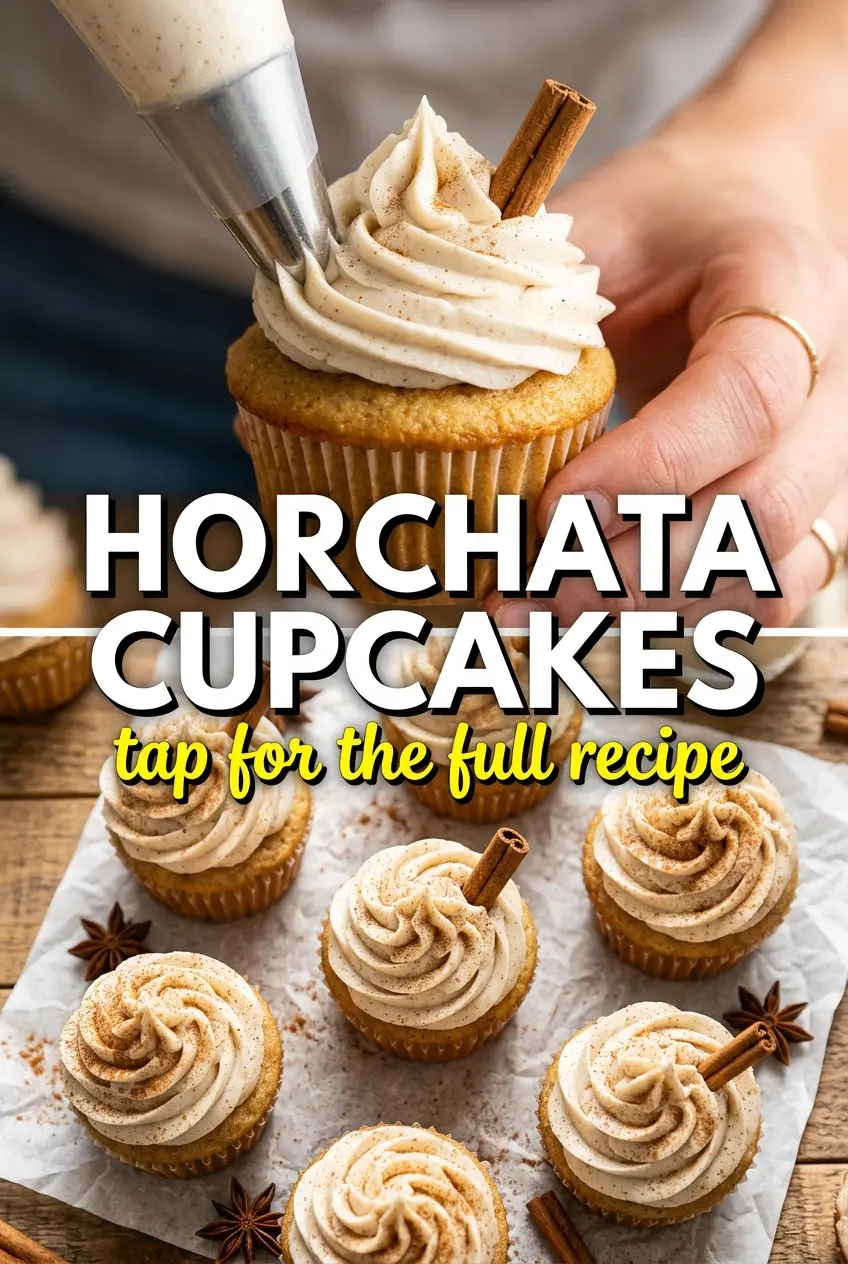
Horchata Cupcakes with Horchata Cream Cheese Buttercream
Ingredients
Equipment
Method
- Preheat the oven to 350°F and line a muffin tin with cupcake liners, keeping liners centered for even baking.
- Whisk all-purpose flour, baking powder, salt, cinnamon, and ground cloves together until no streaks remain.
- Beat butter and granulated sugar until light and fluffy, scraping the sides as needed for a smooth base.
- Add the eggs one at a time, mixing after each addition until the batter looks glossy.
- Alternate adding the flour mixture and horchata to the batter, beginning and ending with flour so the mixture stays thick.
- Stir in Mexican vanilla extract and almond extract just until combined to prevent overmixing.
- Divide batter evenly among liners so each cup holds the same amount for uniform domes.
- Bake at 350°F for 18-20 minutes until a toothpick comes out clean, then cool completely on a rack.
- Beat cream cheese and softened butter until smooth, aiming for a lump-free, silky texture.
- Gradually add powdered sugar and mix until thick and smooth before adding horchata.
- Beat in horchata until light and fluffy, then rest the frosting 30 minutes for easier piping.
- Pipe frosting onto cooled cupcakes, forming a neat peak for the signature look.
- Dip the cupcake tops in cinnamon sugar for rim so the outer edges show a visible, sweet-cinnamon coating.
- Drizzle white chocolate over the frosted cupcakes in thin lines for a clean finish.