Chile verde lands in the bowl with a bright, savory-green sauce that clings to every piece of pork and tastes deeper than the short ingredient list suggests. The tomatillos keep it lively, the roasted poblanos add a gentle smokiness, and the pork shoulder turns tender enough to shred with a spoon. It’s the kind of pot that looks humble going in and ends up tasting like it simmered all afternoon.
What makes this version work is the order of operations. The pork gets a real sear first, which builds the savory base, and the tomatillo-poblano mixture is blended until smooth so it cooks down into sauce instead of staying chunky and raw-tasting. Keep the simmer steady and covered; if it boils hard, the pork can tighten up before it gets tender. A quick rest at the end gives the sauce time to settle and coat the meat properly.
Below, you’ll find the small technique details that matter most, plus the swaps that keep this chile verde flexible when you need to work with what’s in the kitchen.
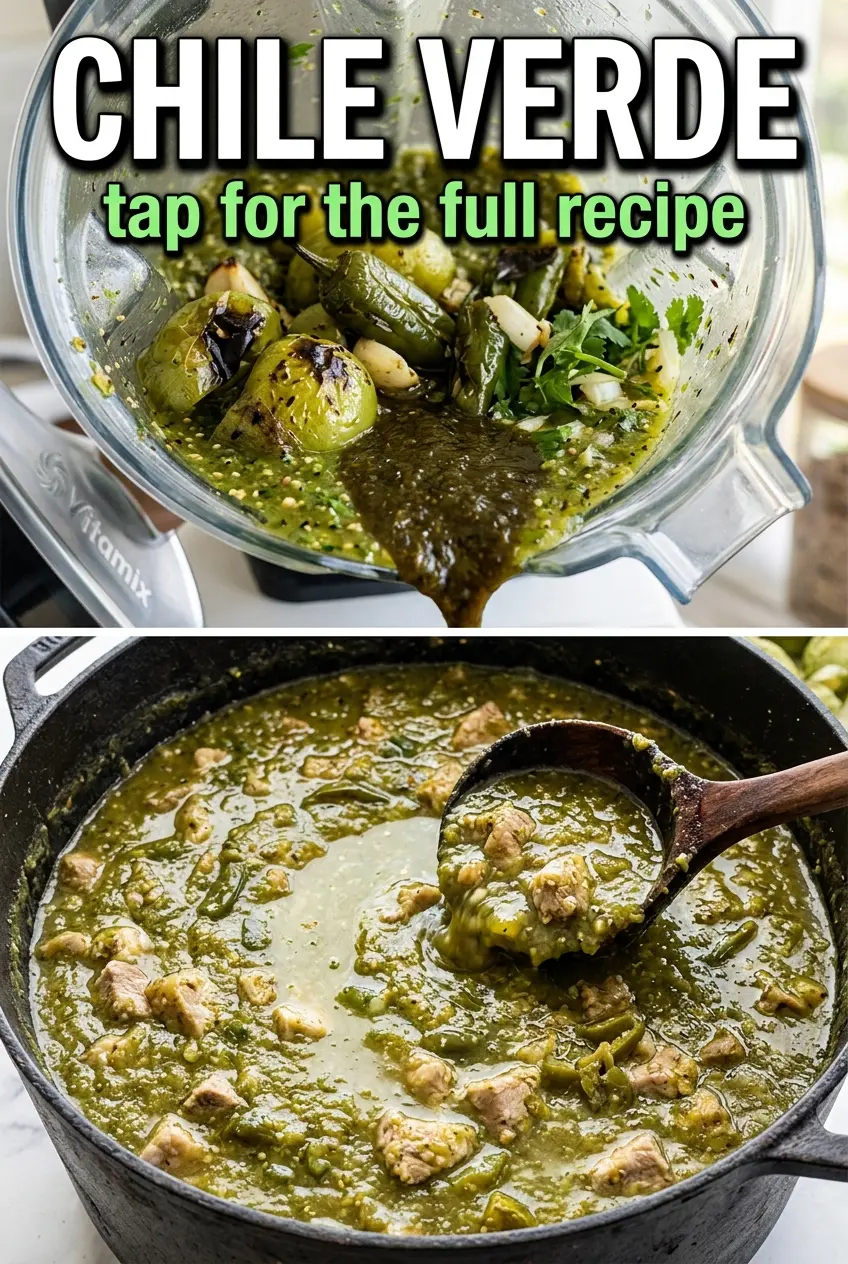
The sauce thickened into this silky green stew, and the pork stayed juicy all the way through. I let it simmer the full 40 minutes, and it shredded right in the pot without falling apart into mush.
Love the tender pork and bright tomatillo sauce? Save this chile verde for the nights when you want a one-pot Mexican stew with warm tortillas.
The Reason the Sauce Stays Bright Instead of Turning Flat
Chile verde can go dull fast if the tomatillos get cooked too hard or the blend never gets enough time in the pot. The flavor here depends on contrast: roasted poblanos bring smoke, tomatillos bring tartness, and pork shoulder brings richness. If one of those gets lost, the whole dish tastes heavy instead of balanced.
The biggest mistake is rushing the simmer. A hard boil pushes the pork fibers tight and can make the sauce taste harsher before the green flavors mellow. Keep it at a lazy bubble under the lid, and the sauce will thicken on its own while the pork turns soft enough to shred cleanly.
- Tomatillos — These do the acid work that keeps the stew bright. Fresh tomatillos are worth buying here; canned won’t give the same tart edge or the same clean green color.
- Roasted poblano peppers — They add body and a mellow pepper flavor without much heat. If you skip the roasting step, the sauce loses that subtle smoky note that makes chile verde taste finished.
- Pork shoulder — This cut has enough fat and connective tissue to stay juicy through the simmer. Pork loin cooks faster, but it dries out before the sauce has time to deepen.
- Cilantro — It brightens the blend and keeps the sauce from tasting muddy. If cilantro tastes too strong for you, cut it back a little, but don’t leave it out entirely.
What Each Ingredient Is Doing in the Pot
The onion and garlic build the background flavor inside the blender, so the sauce doesn’t taste thin even before it hits the pot. Cumin and oregano should stay restrained here; they’re support players, not the lead. Chicken broth loosens the puree just enough for simmering, but too much broth turns the stew watery, so the listed amount keeps the sauce concentrated.
Vegetable oil is there for the sear, and that step matters more than it looks. You want browned edges on the pork cubes before the green sauce goes in, because that fond dissolves into the stew and gives it depth. Salt waits until the end because the sauce reduces as it cooks, and seasoning too early can leave you with a dish that tastes oversalted once the liquid tightens up.
- Pork shoulder cubes — Cut them evenly so they finish at the same time. Bigger chunks can work, but they need a longer simmer.
- Chicken broth — Use a broth you’d drink on its own. If yours is very salty, hold back on added salt until the very end.
- Vegetable oil — Any neutral oil works for the sear. Olive oil can smoke and pull attention away from the chile flavor.
Building the Green Sauce and Letting the Pork Finish It
Blending the Base Until It’s Smooth
Blend the tomatillos, poblanos, onion, garlic, and cilantro until the mixture looks smooth with no big bits left behind. A rough blend leaves the sauce grainy and makes the final stew look broken, even if the flavor is there. If your blender struggles, add a splash of the broth to get things moving, but don’t thin it too much or the sauce won’t cling later.
Searing the Pork for the Flavor You Can’t Add Later
Heat the oil until it shimmers, then add the pork in a single layer and leave it alone long enough for the first side to brown. You’re looking for deep golden edges, not gray steamed meat. If the pot looks crowded, sear in batches; if you skip that step, the stew still works, but it loses the savory backbone that keeps chile verde from tasting one-note.
Simmering to Tender Without Falling Apart
Once the sauce and broth go in, bring the pot to a gentle simmer and cover it. The surface should move softly, not roll hard. After 35 to 40 minutes, the pork should shred easily with a fork and the sauce should look slightly thicker and darker green; if it’s still tight or chewy, give it another 10 minutes and check again.
Shredding and Adjusting the Finish
Shred the pork right in the pot so every strand picks up the sauce. Stir well, then taste for salt and pepper after the meat is incorporated, because the final seasoning changes once the pork is broken up. If the sauce seems loose, simmer uncovered for a few minutes; if it seems too thick, splash in a little broth until it loosens to a spoon-coating consistency.
Ways to Shift the Recipe Without Losing What Makes It Work
Make It Dairy-Free and Naturally Gluten-Free
This recipe already fits both of those needs as written, which is one reason it lands so well for a mixed crowd. Serve it with corn tortillas and skip any dairy garnish if you want to keep the bowl clean and simple. The stew’s body comes from the tomatillos and the reduced sauce, so nothing is lost by keeping it as-is.
Swap in Chicken Thighs Instead of Pork
Boneless chicken thighs can stand in for the pork if that’s what you have. They’ll finish a little faster, usually in the 25 to 30 minute range, and the texture will be lighter and less rich. The sauce still works the same way, but you’ll want to be gentler when shredding so the meat doesn’t disappear into the stew.
Turn Up the Heat with One Extra Pepper
If you want more heat, add one roasted jalapeño or serrano to the blender. That keeps the chile flavor layered instead of just hotter, which matters in a dish like this. Skip the seeds if you want warmth without pushing the sauce into sharp, aggressive heat.
Storage and Reheating
- Refrigerator: Store for up to 4 days. The sauce thickens as it chills, and the flavor gets deeper by day two.
- Freezer: Freezes well for up to 3 months. Cool it completely, portion it into airtight containers, and leave a little headspace so the sauce can expand.
- Reheating: Warm it gently on the stove over low heat with a splash of broth or water if needed. The main mistake is boiling it hard, which can tighten the pork and make the sauce taste flat.
Questions I Get Asked About This Chile Verde
Chile Verde
Ingredients
Equipment
Method
- Blend tomatillos, poblano peppers, onion, garlic, and cilantro until smooth, leaving a few small bits for visible green chile texture.
- Set the blended mixture aside while you prep the pork and pot.
- Heat vegetable oil in a large pot over medium-high heat until shimmering, then add pork cubes and sear on all sides.
- Pour the blended tomatillo mixture over the seared pork and stir to coat.
- Add chicken broth, cumin, and oregano, then bring the mixture to a simmer over medium heat.
- Cover and cook at a gentle simmer for 35-40 minutes, until pork is very tender and the sauce thickens slightly.
- Shred the meat directly in the pot and stir well so the pork absorbs the green chile sauce.
- Season with salt and pepper to taste and stir until evenly distributed.
- Rest the chile verde for 10 minutes covered so flavors settle and the sauce clings to the pork.
- Serve hot with warm corn tortillas for serving.