Fluffy, savory Mexican rice needs a little toast on the front end and a little patience at the end. That’s what gives it those separate grains, the deep tomato color, and the kind of texture that doesn’t collapse into mush when it hits the table. The best versions taste like the pot has been doing more work than it actually has.
The key is cooking the rice in oil until the grains turn from chalky to lightly translucent before anything wet goes in. That step helps the rice stay distinct after it simmers, and it also builds a subtle nutty note that plain boiling can’t give you. Tomato sauce, broth, and a short covered rest do the rest of the work without needing any fuss.
Below, I’ve included the small details that matter most: how long to toast the rice, why the tomato sauce goes in before the broth, and what to change if you want to make it dairy-free, vegetarian, or ahead for the week.
The rice turned out fluffy with separate grains, and the tomato flavor was spot on. Toasting it first made a huge difference, and it reheated without getting sticky.
Save this vibrant Mexican rice for taco night, enchiladas, or any meal that needs fluffy tomato rice with a proper toasted base.
The Toast That Keeps the Rice Separate
The rice needs to hit the oil first and stay there long enough to change color. That step coats the grains and starts the starch setting process before the liquid comes in, which is why the finished rice stays fluffy instead of turning gummy. If the rice is still pale when you add the broth, it usually means you rushed the most important part.
The other place people lose texture is by stirring once the lid goes on. That breaks the grains and releases extra starch into the pot. Let the heat stay low, keep the lid on, and trust the rest time at the end; that last five minutes is where the rice finishes evenly without smashing itself.
- Long-grain white rice — This is the right rice for the job. It stays separate after cooking and gives you the classic texture. Short-grain rice turns softer and stickier, which is a different dish altogether.
- Tomato sauce — Tomato sauce gives the rice its even red color and smooth body. Crushed tomatoes will work in a pinch, but they can leave the rice looser and more acidic unless you cook them down a little longer.
- Chicken broth — This adds depth fast. If you want a vegetarian version, use good vegetable broth instead; water will work, but the rice tastes flatter.
- Bay leaf and cumin — These are small additions, but they give the rice that warm, familiar background flavor. Don’t skip them unless you’re intentionally keeping the seasoning very plain.
Building the Color and Simmering It Right
The tomato sauce should cook for a minute or two before the broth goes in. That takes the raw edge off the tomato and helps the sauce coat the rice, which is part of why the finished grains look evenly red instead of streaky. When the broth goes in, the mixture should come to a full boil before you drop it to low heat; if it never really boils, the rice can stay unevenly cooked.
Toasting the Rice
Warm the oil over medium heat, then stir in the rice and keep it moving. You’re looking for a light golden tint and a few translucent edges, not deep browning. If the rice starts to darken fast, the heat is too high and the outside will toast before the inside is ready for liquid.
Cooking the Aromatics
Add the onion and garlic once the rice is lightly toasted. The onion should soften and smell sweet, and the garlic should turn fragrant without taking on any color. If the garlic browns, it will taste bitter in the finished rice, so keep the stirring constant and the heat moderate.
Simmering Without Disturbance
After the broth, vegetables, and seasonings go in, bring everything to a boil, then cover and reduce the heat to low. The surface should go from active bubbles to a quiet steam. If you lift the lid early, you lose heat and moisture, and the rice can end up firm in the middle even when the top looks done.
The Covered Rest
Take the pan off the heat and leave it covered for five minutes before fluffing. That pause lets the steam finish the centers of the grains and keeps them from breaking when you fork them through. If the rice looks a little wet at first, that rest is what fixes it.
Make It Vegetarian
Swap the chicken broth for vegetable broth. Choose one with enough body to taste like something, because thin broth makes the rice seem underseasoned even when the salt is right.
Add More Vegetables
Diced zucchini, corn, or finely chopped bell pepper all fit well here. Add tender vegetables near the end so they keep some bite; if they go in too early, they melt into the rice and muddy the texture.
Use Brown Rice Instead
Brown rice needs more liquid and a longer simmer, and the texture will be firmer and nuttier. It won’t taste like classic Mexican rice, but it does hold up well if you want a heartier side.
Storage and Reheating
- Refrigerator: Store in an airtight container for up to 4 days. The grains firm up a bit in the fridge, which is normal.
- Freezer: This freezes well for up to 2 months. Cool it completely, portion it out, and press out as much air as possible before freezing.
- Reheating: Reheat covered in the microwave with a splash of water or broth, or warm it gently on the stove over low heat. The biggest mistake is reheating it dry, which turns the edges tough before the center loosens up.
Answers to the Questions Worth Asking
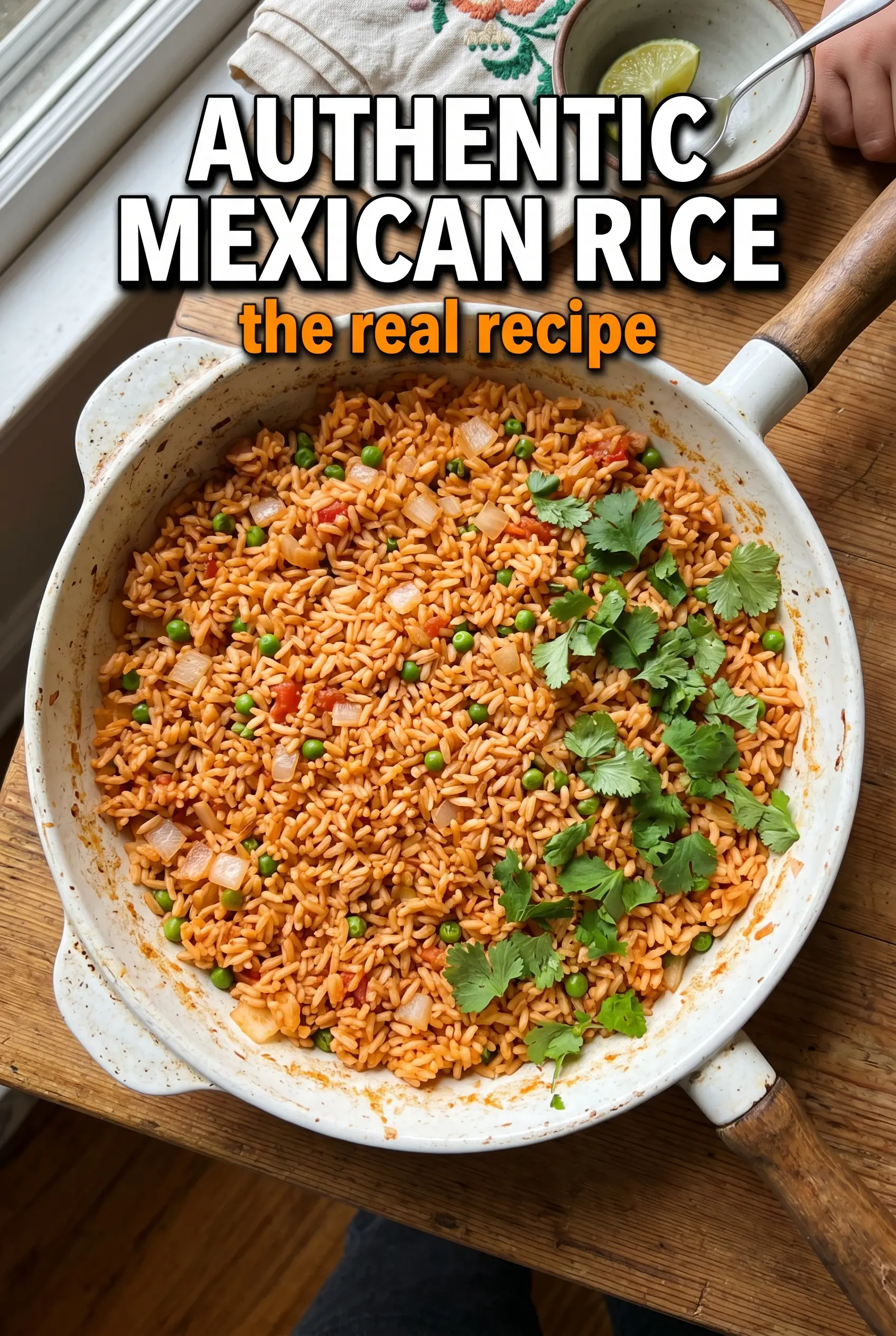
Authentic Mexican Rice
Ingredients
Equipment
Method
- Heat the vegetable oil in a large saucepan over medium heat, then add the long-grain white rice and stir constantly until translucent and lightly toasted, about 3-4 minutes.
- Add the finely diced white onion and minced garlic, then cook for 1-2 minutes until fragrant.
- Stir in the tomato sauce and cook for 1-2 minutes.
- Stir in the chicken broth, diced carrots, frozen peas, bay leaf, cumin, salt, and pepper.
- Bring the mixture to a boil, then reduce the heat to low, cover, and simmer for 15 minutes.
- Remove from the heat and let the rice rest covered for 5 minutes.
- Fluff the rice with a fork and remove the bay leaf.
- Garnish with fresh cilantro before serving.